
Mitcham · 60 places
Tinkabell
Babies, toddlers, three-year-old and four-year-old kindergarten in a nurturing full and part-time setting.
Meet TinkabellFamily owned since 1993 · Melbourne’s east
Three welcoming early learning centres where children from birth to six can feel secure, follow their curiosity and learn through play.
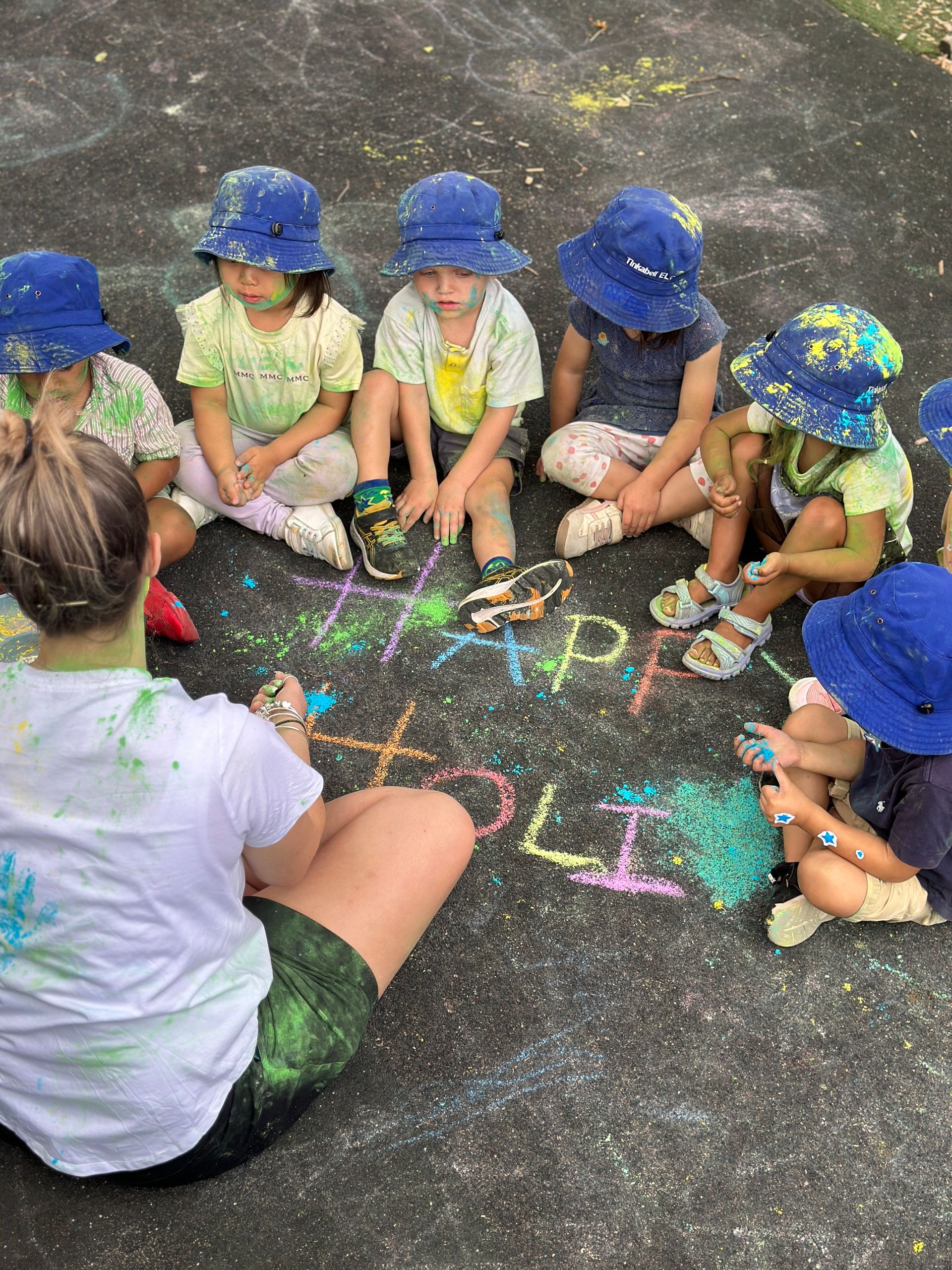
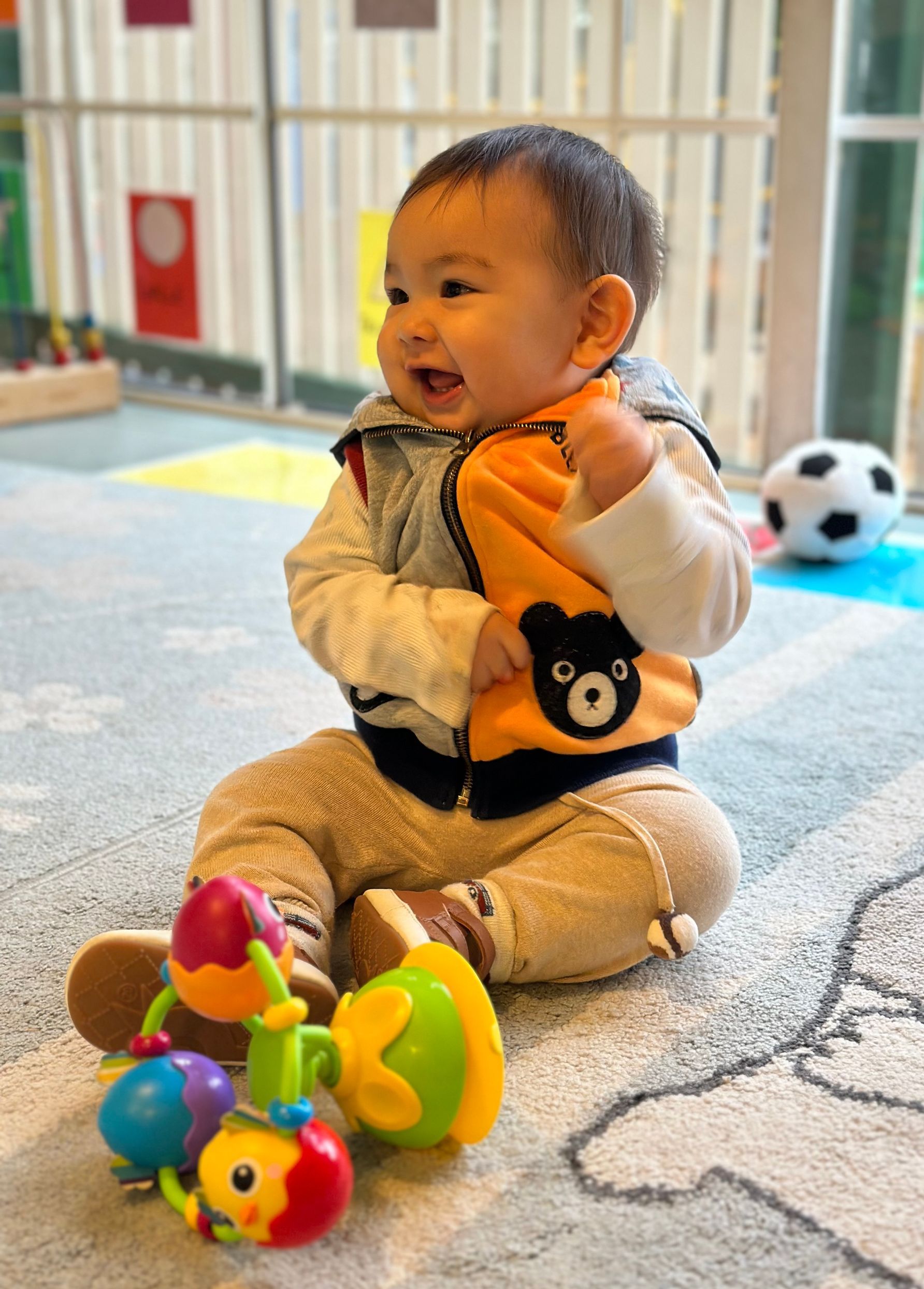
A centre close to home
Each centre has its own personality and age-based rooms, united by the same family-led philosophy, play-based curriculum and commitment to warm relationships.
Babies, toddlers, three-year-old and four-year-old kindergarten in a nurturing full and part-time setting.
Meet Tinkabell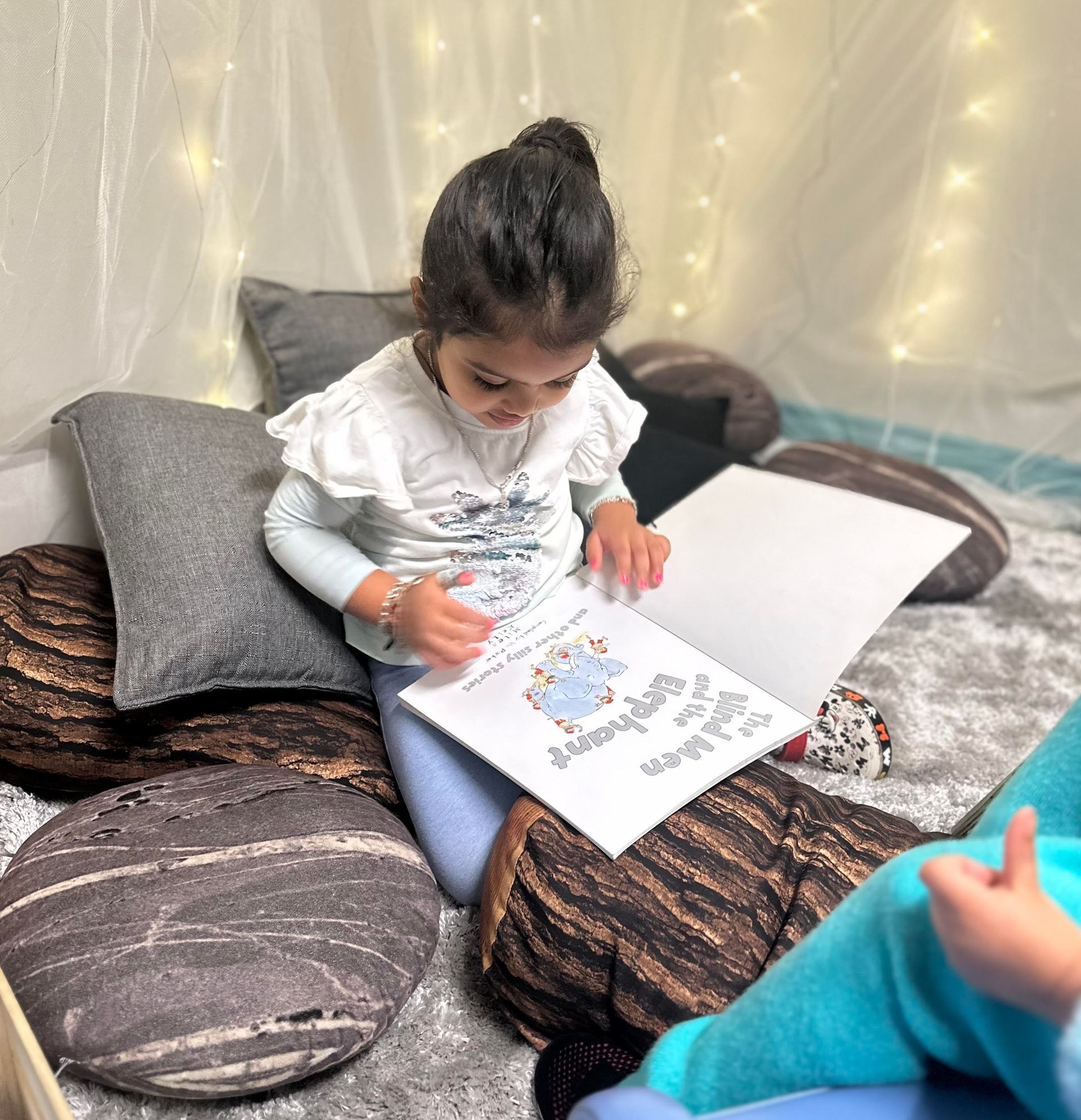
A loving and inclusive centre with nursery, toddler and combined three- and four-year-old kindergarten rooms.
Meet Little Raskals
A trusting, caring environment offering nursery, toddler and combined kindergarten learning.
Meet Minikins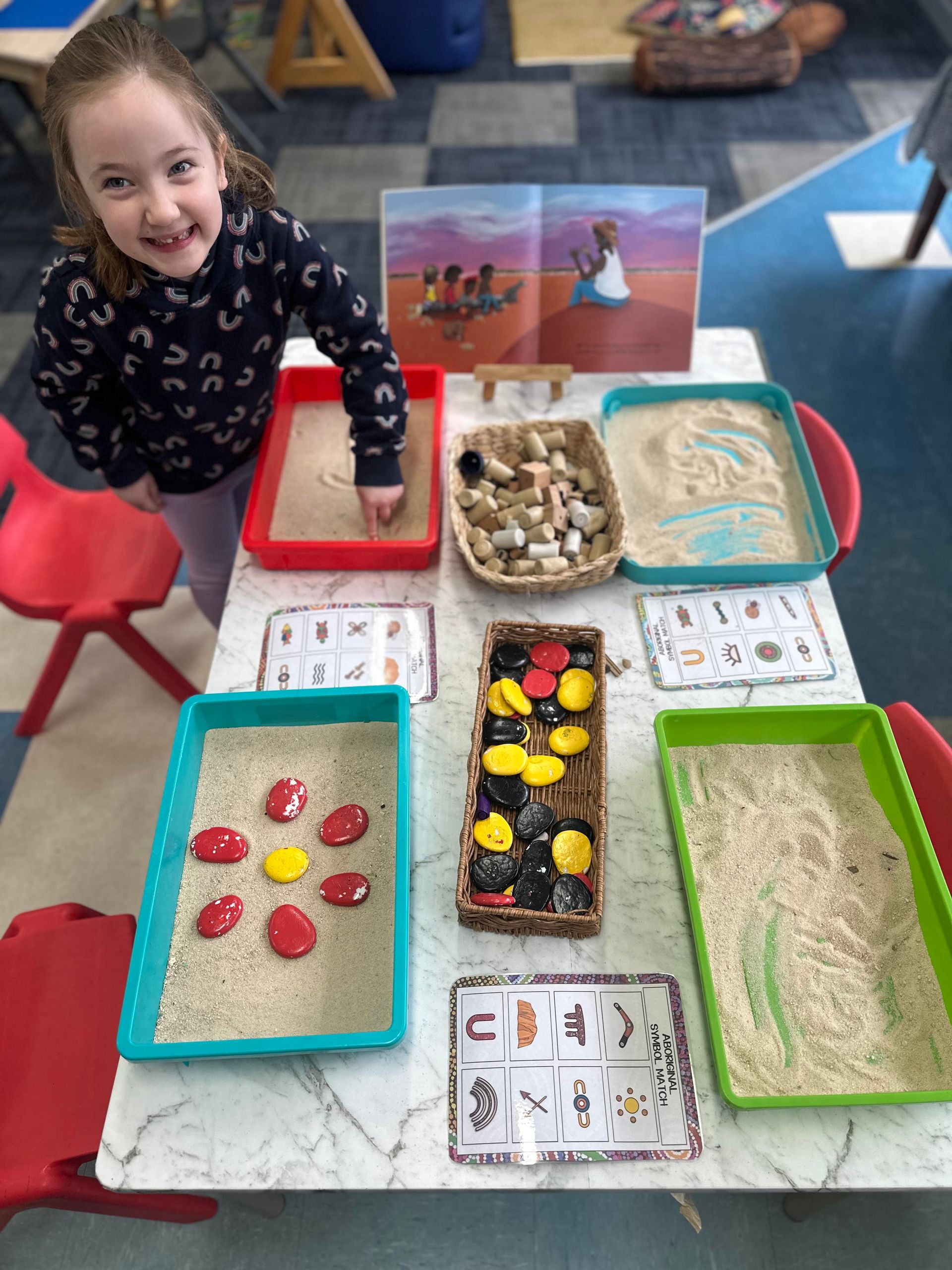
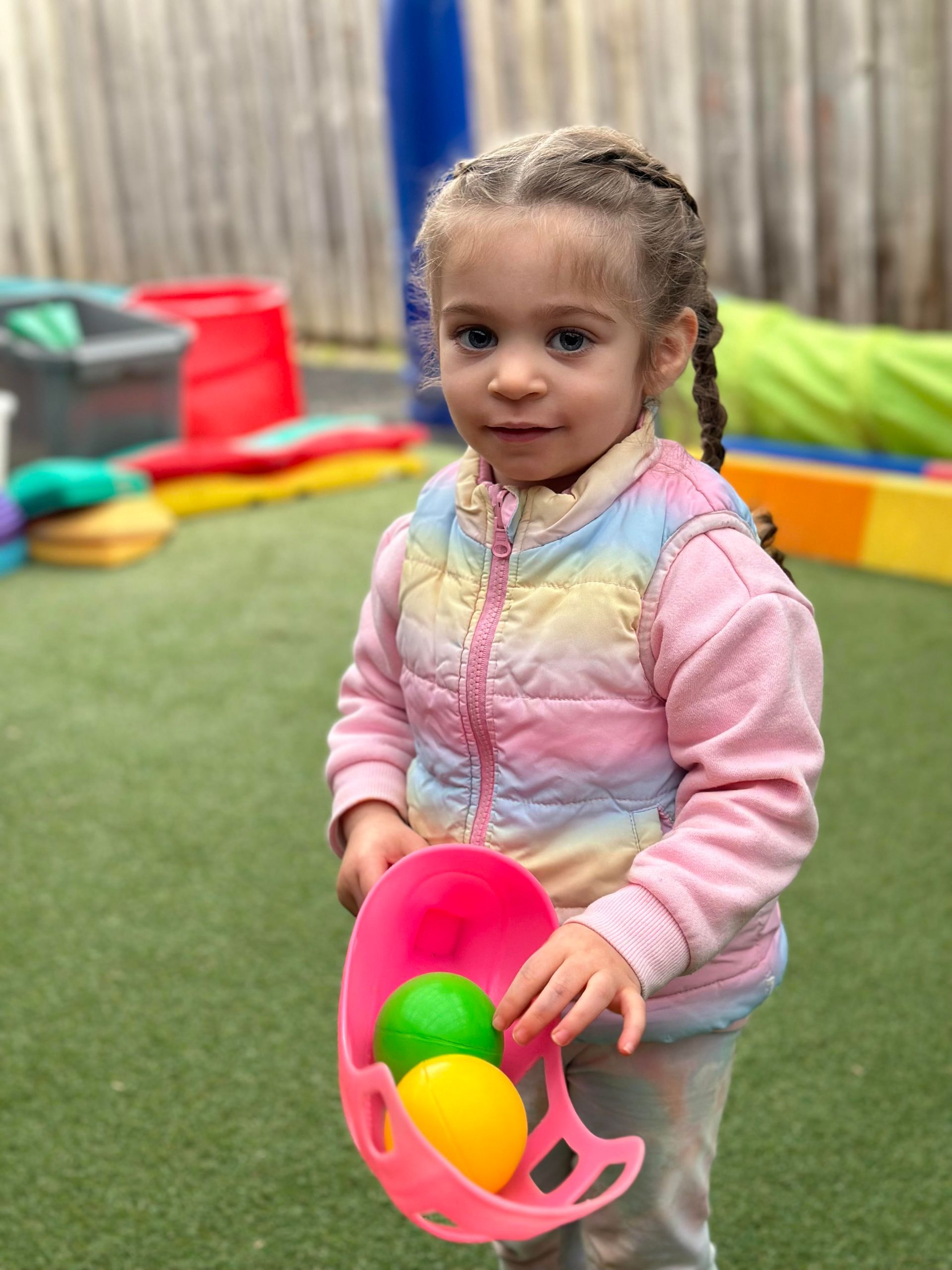
How children learn here
Our programme draws on the national and Victorian early years frameworks. Educators follow each child’s interests, create age-appropriate experiences and document the learning journey in an individual portfolio.
Our philosophy
Trust, security and loving relationships are the foundation for nurturing and educating children. Every child arrives as part of a family and community, carrying valuable “funds of knowledge” that shape identity and learning.
Our philosophy has been influenced by educators, children, families, current early childhood practice and the communities that use each service. Its published principles are:
Provide a safe, happy, secure environment that supports a positive attitude to learning through play. Recognise every child’s individual needs, interests and strengths, use experimental investigation and role-play, and offer meaningful choice.
Foster social, emotional, physical, intellectual and language development. Treat meals, toileting, dressing and rest as engaging learning opportunities. Support respect for other people, equipment and the environment.
Respond to cultural beliefs and socio-economic backgrounds, provide equal opportunity regardless of gender, and include children with additional needs. Use meaningful praise and consult families about behaviour guidance.
Embrace national and Victorian frameworks and the National Quality Standard, establish community and specialist-service links, welcome family involvement, invite feedback and work together in children’s best interests.
Create a satisfying and safe workplace where staff motivate, support and respect one another. Value professional development and the contribution educators make to children and families.
Develop environmentally sound practices, recognise our responsibility to preserve the environment, and nurture children’s commitment to caring for the world. Provide a sociable educational preschool programme and a natural setting like a large family growing together.
The current public site says the centres provide high-quality care and educational programmes; their kitchens are commercially registered with local councils and have received recognition for food and hygiene; and the business is a member of the Childcare Centres Association of Victoria. It links families to the National Quality Standard, Australian Childcare Alliance and ACECQA.
It also describes the centres as federally approved for reduced-fee childcare benefits and electronic data transfer, and registered for Victorian kindergarten funding and national-law regulation. Some source terminology — including “Childcare Cash Rebate”, “Childcare Management System” and “Department of Education and Early Childhood Development Children & Youth Services” — is historical. Families should confirm present subsidy, funding and regulatory arrangements with the centres and current government sources.
The Australian Children’s Education and Care Quality Authority provides national oversight of the National Quality Framework and publishes resources for the sector, families and the community.
Every child receives a personal development portfolio documenting their learning journey with examples such as paintings and craft. The portfolio is delivered to parents at the end of each year, while room reflections and photographic diaries help families follow everyday experiences.
“A realistic and natural environment, like a very large family — growing up together.”
Family journal


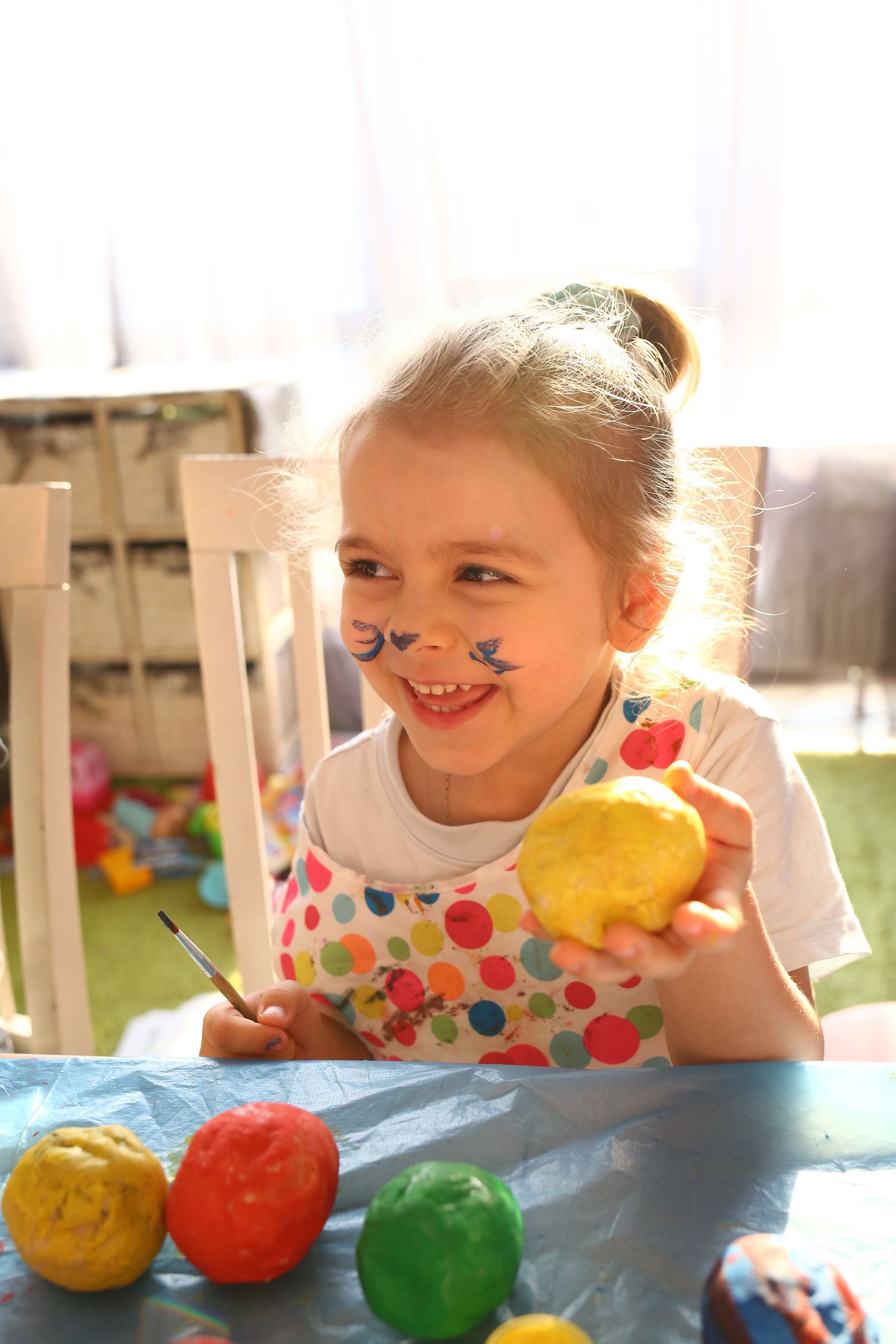
Our people
Our early childhood professionals bring different qualifications, perspectives and experience to one shared purpose: helping every child grow to their full potential.
Our professionals actively engage children in play and use a holistic approach that supports physical, personal, social, emotional, spiritual and cognitive wellbeing.
Staff across all three professional childcare and kindergarten centres have a wealth of experience caring for and educating children. Our dedicated professionals recognise pedagogy that actively engages children in play as one of the main ways they learn and develop. Their different personalities and beliefs contribute to the richness of each learning environment.
Together, educators provide an enriched environment where children can learn, belong and grow.
Deborah Martinov is a qualified early childhood professional with a Bachelor of Business, an Advanced Diploma in Community Services (Childcare), and a Certificate IV in Training and Workplace Assessment. She is the approved provider for the centres under the Education and Care Services National Law 2010.
As owner and director of three centres, she has also undertaken consultancy and projects in children and family services and served as Vice President of the Childcare Centres’ Association of Victoria. Her experience spans childcare, administration, financial management, human resources, development and quality improvement.
Neven Martinov has many years of experience in childcare and customer service and has held managerial positions throughout his career. He is also described by the current site as an approved provider for all three centres.
He supports day-to-day operations across cleaning and supplies, grounds and maintenance, security, and the general service needs of the centres.
Our childhood professionals are valued resources whose personalities and beliefs help create successful learning environments. They hold a range of early childhood teaching qualifications and experience.
Ongoing learning and reflective practice are central to our approach. The team reviews current practice, develops new ideas, and updates skills through internal and external training. Background checks are carried out before employment and all employees are required to follow the centres’ ethical code of conduct.
Continuity of care helps children establish trust and warm, secure relationships. Wherever possible, the same staff remain with the same children to promote stability and comfort.
Work experience and field students undertaking Certificate, Diploma and Bachelor-level early childhood studies are welcomed throughout the year. Placements provide supervised, real-life experience with qualified educators. Parents are advised whenever a student is on placement.
Call Tinkabell on 03 9874 6401 to learn more about the educators or arrange a centre visit.
Download the current public Parent HandbookCurriculum
A responsive programme filled with opportunities to create, discover, improvise and imagine — grounded in the national and Victorian early years frameworks.
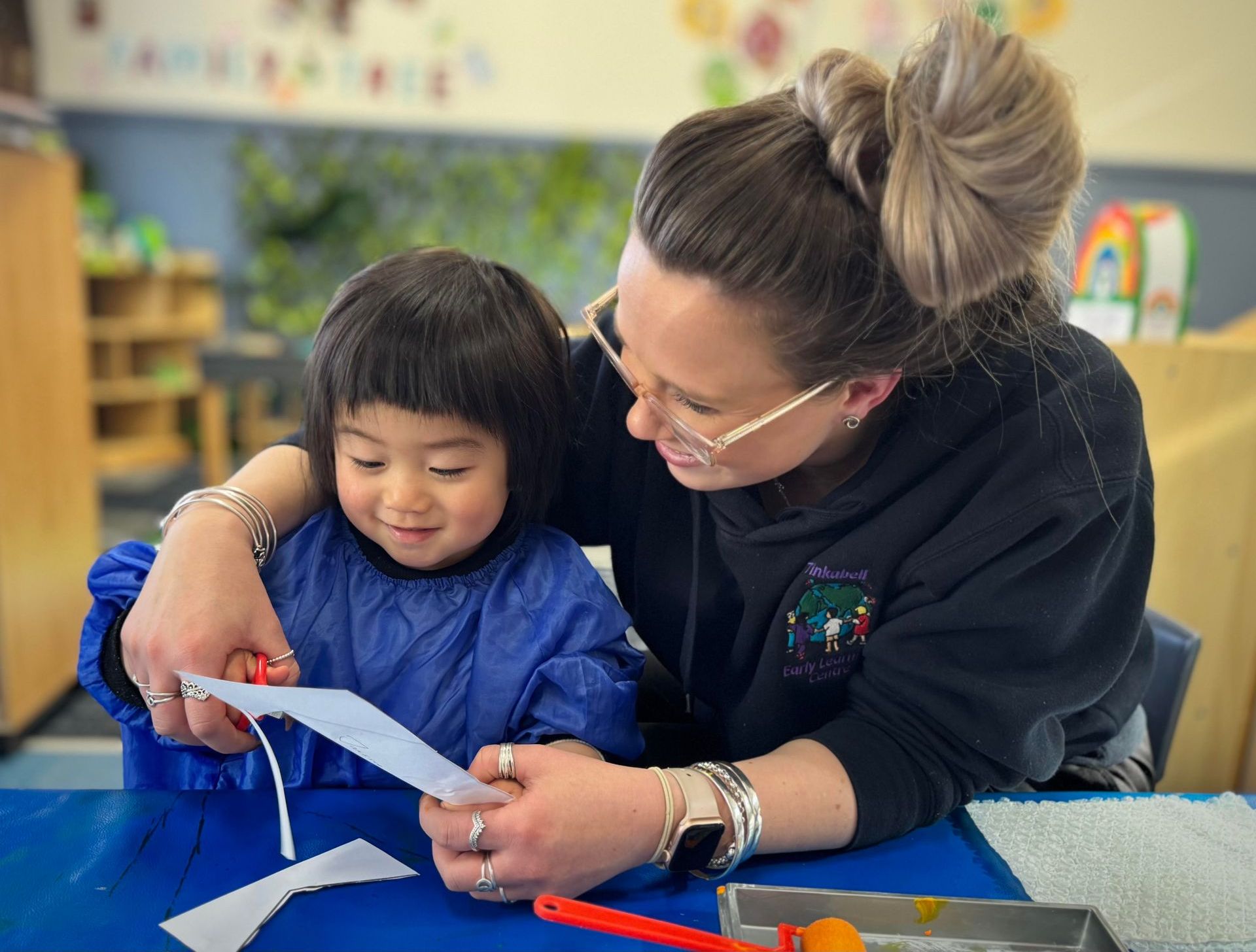
Working in partnership with families, we create relaxed and stimulating environments that offer friendship, security, challenge and excitement. Programme goals are developed for each age group and individualised for each child.
Nursery life is a world of discovery with hugs and cuddles. Toddler learning focuses on language, independence, challenges and adventures. Kindergarten encourages children to think beyond the obvious and includes school-readiness learning.
We value extensive knowledge of each child and family, using open communication and collaboration with families and external agencies to build consistent strategies between home and care.
Each room provides a reflection of the day and a photographic diary of activities so families can follow their child’s everyday experiences.
Our centres cater for children from birth to six in a “home away from home” atmosphere that respects linguistic and cultural backgrounds. Experiences support identity, wellbeing, learning and communication, while play gives children room to express ideas, explore their environment, solve problems and create.
The kindergarten year offers a range of experiences that prepare children not just for school, but for life. The programme follows the Victorian early years framework, is delivered by qualified kindergarten teachers within long day care, and uses socialisation, exploration, investigation, problem-solving and holistic learning.
The current public site states that children should be at least four by 30 April to access the four-year-old programme. Eligibility, funding and terminology can change; families should confirm current arrangements directly with their chosen centre or the Victorian Government.
The five learning outcomes guiding our work are: a strong sense of identity; connection with and contribution to the world; a strong sense of wellbeing; confidence and involvement in learning; and effective communication.
Each child’s knowledge, ideas, culture, abilities and interests form the foundation of the programme. Educators promote agency by enabling children to make choices and decisions that influence events and their world. Planning is designed to be developmentally appropriate, child-centred, anti-bias and multicultural, with a stimulating range of experiences that is not limited by gender.
Programme goals are based on an understanding of each child within their group. Educators extend individual development while children build healthy habits, confidence and a positive self-concept. Collaboration with families and external agencies supports individual needs and helps maintain strategies that reflect shared home and centre values. Positive communication remains central throughout each child’s learning journey and changing developmental needs.
Room educators plan child-centred, anti-bias and multicultural play experiences around observed interests. They document and assess progress, share it with parents, and use it to meet individual needs. Families may discuss development, view observations and attend end-of-term interviews. Portfolios record each learning journey and are handed to families at year’s end.
Indoor and outdoor environments use age-, development- and culturally appropriate materials. Children and families contribute ideas; educators combine child agency, intentional teaching and extended periods of play. Mealtimes are unhurried social experiences and older children learn relaxation techniques. Room programmes are displayed and family feedback is welcome.
Educators observe children as individuals and as members of a group, assess progress towards Early Years Learning Framework outcomes, and share this documentation with parents. A wide variety of developmental and interest areas is available indoors and outdoors. The curriculum is inclusive of children with special or additional needs and helps every child understand and accept difference. Resource organisations are available to assist both staff and families.
Settling into long day care can be challenging for children and parents. Welfare and happiness come first, and individual needs are supported as far as possible.
Meals and snacks are prepared each day on site using fresh, wholesome ingredients. Menus are varied, nutritionally balanced, culturally broad and changed weekly with the seasons. Children eat at their own pace in a relaxed environment, and mealtimes are planned as social learning experiences.
The cooks have experience planning and preparing food for young children. New foods, tastes and cooking methods keep menus interesting, while requests for family favourites are welcomed. Rooms add thoughtful details such as decorated tables, handmade named placemats and flowers. Eating together becomes a chance to explore, socialise and strengthen relationships with peers and caregivers.
The published menu pattern includes breakfast with milk, cereal and toast; fresh fruit and milk for morning tea; a hot lunch; and afternoon tea such as home-baked items or meat, cheese and fruit. Water remains available, and children attending after 5:30pm receive late afternoon tea.
Snacks may be served at a table or more informally as an indoor or outdoor picnic, depending on the weather. Fresh produce is always available and each child is supplied with a labelled water bottle. The total mealtime experience is intentionally relaxed and non-pressured so children can eat at their own pace.
Families supplying breast milk or formula are asked to bring clearly labelled, prepared bottles each day. The current site describes bottles as sterilised with the Milton method. Birthday cakes may be brought in with a complete ingredient list so allergies can be managed, and parents are welcome to join celebrations where possible.
Call 03 9874 6401 or contact your preferred centre directly.
Mitcham · 60 places
Full and part-time kindergarten and long day care for children from birth to six, with learning personalised for each stage.
Tinkabell Early Learning Centre in Mitcham offers 60 places divided between a babies and nursery room, a toddler room, three-year-old kindergarten and four-year-old kindergarten. Age-based rooms allow the educational programme to respond to each child’s current needs.
Full and part-time care gives families a choice of attendance pattern, while children experience a consistent programme designed around their abilities, interests and development from infancy through kindergarten. Families can contact the centre to discuss current availability. Centre visits are welcomed.
The current public site describes a completely funded kindergarten programme led by fully qualified teachers, designed to provide high-quality early education.
Care is available 7:00am–6:30pm, Monday to Friday. Part-time care is described as up to four days per week on a daily rate, while full-time care covers Monday to Friday on a weekly rate. The centre closes on gazetted public holidays.
Funding and fees should be confirmed directly. Programme funding, eligibility and fee arrangements can change and this concept reproduces the current public-site description rather than independently verifying it.
Doncaster East · 48 places
Early education for children from birth to six in a trusting, caring and supportive environment.
Minikins offers 48 places across a babies and nursery room, a toddler room, and a combined three- and four-year-old kindergarten. Age-based teaching helps children develop at their own pace through activities suited to their stage.
The current public site describes its kindergarten programme as government-recognised, funded and led by fully qualified teachers, helping children enter school with confidence.
Educational programmes for children from birth to six are developed in accordance with the early years framework. The focus is on building every child’s skills within a trusting, caring and supportive setting. Families can contact Minikins to discuss current availability. Visits are welcomed.
Long day care and kindergarten run 7:00am–6:30pm, Monday to Friday. Part time is described as four days or fewer on a daily rate; full time covers Monday to Friday on a weekly rate. The centre closes on public holidays.
Funding and fees should be confirmed directly. Programme funding, eligibility and fee arrangements can change and this concept reproduces the current public-site description rather than independently verifying it.
Nunawading · 40 places
Educational programmes for children from birth to six in a loving, inclusive setting where each child is encouraged to learn and flourish.
Little Raskals offers 40 places. Rooms are organised by age to support activities that suit each child’s developmental stage and educational requirements.
Facilities include a babies and nursery room, a toddler room, and a combined three- and four-year-old kindergarten. The current public site describes the kindergarten programme as completely funded and run by fully qualified teachers.
Dividing classes by age helps educators design experiences for each developmental stage. Children from birth to six are supported in a loving and inclusive environment that continually encourages them to learn, build confidence and flourish. Families can contact Little Raskals about current availability.
Long day care and preschool operate 7:00am–6:30pm, Monday to Friday. Part-time care covers one to four days per week at a daily rate; full-time care is Monday to Friday at a weekly rate. The centre closes on public holidays.
Funding and fees should be confirmed directly. Programme funding, eligibility and fee arrangements can change and this concept reproduces the current public-site description rather than independently verifying it.
Download the public Parent HandbookMitcham · Nunawading · Doncaster East
Personalised care, meaningful play and a simple transition from first enquiry to a confident first day.
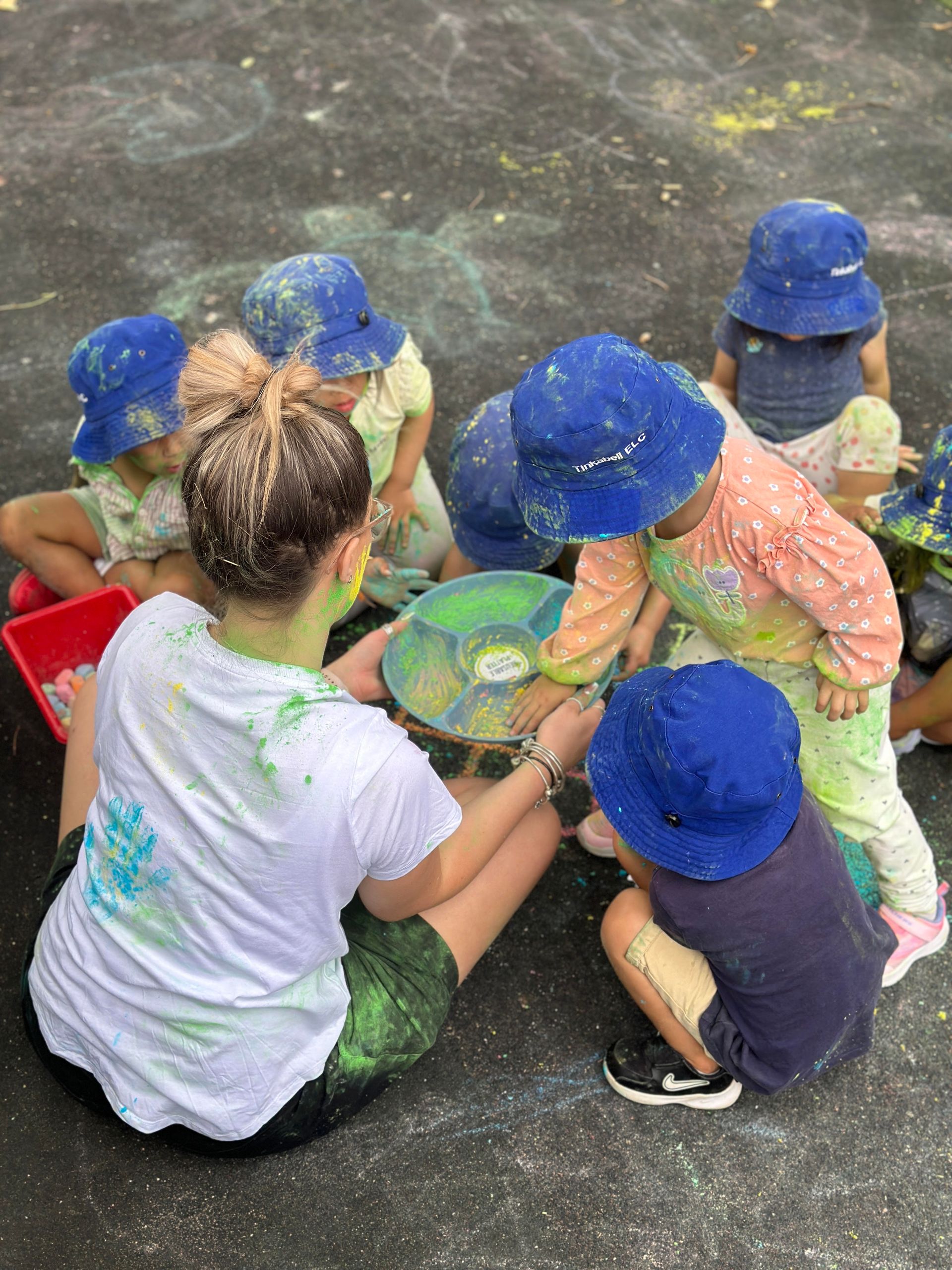
Choosing an early education provider is an important family decision. Across three eastern Melbourne locations, our educators support confidence, independence and curiosity through structured programmes and play-based learning.
Educators observe individual interests, strengths and learning styles to provide tailored guidance.
Group experiences build teamwork, communication, emotional awareness and cooperation.
Secure facilities, supervision and consistent protocols support each child’s wellbeing.
Questions, exploration and independence establish confident habits for school and beyond.
During an initial enquiry, families can explain attendance needs and ask about suitable rooms. A tour provides time to view indoor and outdoor spaces and meet educators. Staff then guide families through enrolment, policies and orientation. Short introduction sessions allow children to become familiar with routines before longer attendance begins, while regular communication after commencement keeps parents informed about daily activities, learning progress and important milestones.
Throughout the process, educators seek to understand each child’s needs, maintain open communication and help families feel supported rather than navigating the transition alone. Every step can be adapted through conversation.
Programmes combine guided play with intentional teaching across early literacy and numeracy, creative arts, social learning and physical development. Indoor areas, outdoor spaces and age-appropriate materials invite children to explore while educators focus on communication, emotional wellbeing and safety.
Our centres offer early education programmes, long day care, play-based learning, school readiness, emotional and social development, structured routines and regular family communication.
Development-based activities are planned around creativity, confidence and age-appropriate challenge. Educators work closely with parents so children experience dependable guidance and feel prepared for future learning.
Educators prioritise emotional security, confidence and consistent learning experiences. Age-appropriate resources, routines, supervised play and regular family communication help each child thrive.
A supportive environment helps children feel safe enough to explore new activities and interact with others. The team listens to individual interests and strengths, uses intentional guidance and keeps families informed so care can remain consistent.
Families benefit from secure, well-maintained spaces, strong communication and programmes that build fundamental skills. Children gain positive social interaction, supervised play and encouragement from qualified educators, creating a strong foundation for school.
Early education builds emotional wellbeing, communication, relationships, confidence and cognitive foundations while helping children become familiar with school routines and learning.
Play-based experiences let children discover personal interests, practise independence and develop learning habits they can carry into later years. Families also gain reassurance from a programme that prioritises both development and day-to-day wellbeing.
The programme combines structured instruction with guided play. Early literacy and numeracy, creative arts, social play and physical development sit alongside safe outdoor learning spaces and engaging indoor areas. Activities respond to children’s attention, curiosity and natural pace rather than requiring every child to learn in the same way.
Call Tinkabell on 03 9874 6401 or choose a centre below to arrange a tour.
Contact the centresContact
Choose the location that suits your family and contact that centre directly about availability, programmes or arranging a visit.
456 Springfield Rd, Mitcham VIC 3132
Carpark via 292 Mitcham Rd
94 Springvale Road
Nunawading VIC 3131
13 Leeds St
Doncaster East VIC 3109
All three centres publish weekday opening hours of 7:00am–6:30pm. Tinkabell, Minikins and Little Raskals state that they close on public holidays.
About enquiries in this concept: the official site’s POST forms have not been copied because this static independent preview has no approved enquiry backend. Phone and email links go to the publicly listed centre contacts.
Across three centres, experienced educators support children’s cognitive, social, spiritual, emotional and physical development. Rooms are organised by age so experiences can respond to each stage, and learning through play remains at the heart of the programme. Each centre aims to provide a supportive, friendly alternative for families across eastern Melbourne.
Family journal
Practical ideas about choosing care, preparing for the first day and building a confident transition to school.
Family journal
Every parent wants to give their child the best start in life. Childcare Martinov Enterprises combines nurturing care with early education to support academic, social and emotional readiness for school.
Transitioning to primary school is a significant milestone. Educators foster intellectual curiosity, resilience, empathy and communication through carefully planned experiences. Stories, numbers, creative arts and the natural world introduce literacy and numeracy in playful ways, while group work and turn-taking support respectful relationships.
Emotional wellbeing is supported with mindfulness, language for feelings and strategies for managing big emotions, helping self-awareness and belonging grow.
Children are encouraged from their first experiences to engage with stories, numbers, creative arts and the natural world. Shared projects, group activities and everyday turn-taking give them opportunities to express their needs, listen to others and build respectful relationships.
Programmes follow the national Early Years Learning Framework alongside the Victorian Early Years Learning and Development Framework. Play-based discovery, intentional teaching and developmental observation shape the curriculum.
Individual portfolios document growth, and family consultations keep communication open. Kindergarten routines blend teacher-led and child-initiated learning through counting, puzzles, letter recognition, phonics, storytelling, creative arts, science and movement.
These frameworks help educators track developmental milestones while tailoring experiences to individual interests and abilities. Daily routines balance guided tasks with child-initiated exploration, giving children varied and meaningful ways to practise emerging skills.
Numeracy appears through sorting, counting and puzzles; literacy grows through letter recognition, phonics play and storytelling circles. Creative arts, science explorations and movement make each kindergarten day varied and give children many ways to demonstrate what they know.
The current article illustrates communication with a child called Ava, who grows from being hesitant in group discussions to sharing thoughts and feelings with confidence. It illustrates problem-solving with Lucas, who learns to persist and respond constructively when block towers fall. These names appear as illustrative stories in the source article; this independent concept does not represent them as verified testimonials.
In the source story, Ava begins sharing stories at home and communicating feelings after empathetic support and group experiences. Lucas learns to view fallen towers as a new problem, persist through setbacks and celebrate small successes. The examples express everyday progress in communication, independence and problem-solving.
Regular meetings and developmental summaries help keep home and care consistent. Transition plans may include school visits, role-play about routines, conversations about separation and support for forming friendships.
Families are treated as essential partners: they share information, receive practical guidance, ask questions and celebrate progress with educators. This partnership supports both learning and emotional security as children approach the next stage.
Practical transition planning can include school visits and role play about classroom routines, separation from carers and meeting new friends. Consistent reassurance helps children approach these changes with confidence.
Small responsibilities build confidence, while counting everyday objects, reading aloud and using songs or rhymes make new ideas familiar. Discussing emotions models healthy coping, and regular educator conversations help home experiences complement the centre programme.
Your child’s school-readiness journey begins with experience, collaboration and support. Call 03 9874 6401 to discuss the programme.
Family journal
Families around Ringwood seek early education that combines quality, flexibility and engagement. The three Martinov centres serve Mitcham, Nunawading, Doncaster East and nearby suburbs.
Multiple locations help families choose a centre that fits work, errands and family routines while maintaining a consistent approach to care and education.
Tinkabell in Mitcham, Minikins in Doncaster East and Little Raskals in Nunawading are positioned to serve families in Ringwood and surrounding suburbs. The network offers dependable care and makes it easier to find a location that aligns with everyday travel and commitments.
The current article describes full-day care, part-time attendance and “morning and afternoon sessions” plus “holiday and vacation programmes”. Those session and holiday offerings are not stated on the individual centre pages and should be confirmed directly before relying on them.
Flexible attendance can help families align early education with work schedules and lifestyle needs while children benefit from familiar routines, structured learning and social experiences in a nurturing setting.
Play-based learning, hands-on experiences and structured programmes support social, emotional and cognitive growth. Families are encouraged to tour a centre, meet educators and observe the environments.
Each location aims to foster curiosity, independence and confidence. Secure, engaging environments allow children to participate in classroom learning, creative experiences and outdoor play with educator guidance.
Problem-solving, early literacy and numeracy build foundational thinking.
Group experiences encourage cooperation, communication and empathy.
Movement and outdoor play support fine and gross motor skills and healthy habits.
Arts, music and imaginative play promote creativity, emotional expression and confidence.
Combining structured learning with exploratory play supports children to flourish academically, socially and emotionally while responding to developmental milestones and individual interests.
Progress reports, meetings and daily updates keep families connected with the learning journey. Parents can visit, meet the team and take part in conversations about development.
Open communication strengthens the family-educator partnership. Progress reports and discussions help parents understand what their child is experiencing and contribute information that supports continuity between home and care.
Secure play areas, hygienic facilities, supervision, nutrition and wellbeing routines help children feel cared for while they explore.
Health and wellbeing are woven into daily routines so safety complements creativity rather than restricting it. Children can explore with confidence while trained educators supervise and guide them.
Families can arrange a visit, meet educators and discuss programme options. Call 03 9842 9777 or contact a centre.
A visit is the clearest way to understand how a programme fits your child and family. Meet the team, view learning spaces and ask about the attendance pattern you need before beginning enrolment.
Family journal
Choosing early learning is a significant family milestone. A nurturing environment can help young children grow, develop and establish a positive relationship with learning.
Families should look for a setting where care and learning work together and the individual child is recognised.
Early learning can nurture growth in young minds and create an important foundation for later development. A visit helps parents understand how a centre translates its philosophy into daily routines and relationships.
Consider whether the programme supports academic foundations alongside social and emotional development and whether play, observation and intentional teaching are balanced.
Ask how the programme is planned, how educators respond to individual interests and how progress is documented. A well-rounded curriculum should make room for curiosity, communication, movement, creativity and relationships as well as early academic concepts.
Qualified, passionate educators shape a safe and stimulating environment in which children can thrive. Ask about qualifications, professional learning and continuity of care.
Observe how educators speak with children, guide play and create emotional safety. Consistent, qualified and passionate professionals have a vital role in shaping a child’s everyday early-learning experience.
Look for inclusion, respect for diversity and a culture that celebrates individual strengths.
Consider whether children’s cultures, abilities and personalities are visible and respected, and whether families are invited into genuine partnership. Every child should feel celebrated rather than expected to fit a single pattern.
Visit indoor rooms and outdoor play areas, and consider the quality and accessibility of resources. The source article calls its facilities “state-of-the-art”; this promotional description should be assessed during a centre tour.
Look at outdoor play areas, room arrangements and the variety and condition of learning materials. Resources should be accessible, age-appropriate and capable of stimulating curiosity and creativity.
Weigh curriculum, educator quality, relationships, environment, facilities and how well the centre communicates with your family. Contact the centres to arrange a visit.
The best choice is the one that combines a sound programme, caring educators, inclusive relationships and environments that suit your child. Take time to ask questions and assess whether the centre’s daily practice matches what it promises.
Published policy
Revised May 1, 2021
Your information privacy is important to us. This policy explains how information and data may be collected, used, protected and disclosed when people use the website and related services. By using the site or services, users consent to the policy.
Categories listed on the published policy include contact information; identifying and authentication information; financial information; demographic information; geolocation; browsing and click history; commercial activity; photos and videos; inferred preferences or characteristics; and other information relevant to a service.
The source policy gives examples including first and last name, mailing address, email and telephone number; IP address, social-media usernames, passwords and security information; card and bank details; gender, age, employment and salary; products or services viewed or purchased; and profiles reflecting preferences, behaviour, characteristics or attitude.
The published purposes include processing registrations and transactions; communicating about them; analytics; marketing and promotions; operating loyalty, competition or personalised communications; maintaining and improving services; customer support; reviews and user content; security and fraud prevention; complying with legal requirements; and other consented or legally permitted purposes.
It specifically refers to receiving, confirming, processing and tracking orders, subscriptions or registrations; sending alerts; diagnosing technical problems; administering services; displaying authorised reviews or content; protecting the company and others from theft or misconduct; and providing information to lawyers, accountants or advisers. Without information, a requested service may not be available.
Information may be collected directly through forms, communications and requests; from third-party and publicly available sources; and passively through cookies and similar browser tools.
Third-party sources may include information made public on social media or other online and offline resources, or information accessed when a person consents to connect an account to another service.
The policy describes sharing necessary information with service providers, affiliates, parties to a corporate transaction, and government, law enforcement or private parties where the company considers disclosure necessary or legally appropriate.
Service providers may support hosting, maintenance, data storage, management, marketing and promotions and are described as receiving only what is necessary. Information may also transfer during a merger, acquisition, sale or asset transfer. The policy says disclosure may occur in response to court orders or subpoenas, to protect safety, property or rights, to prevent unlawful activity, or to comply with law.
Cookies and anonymous identifiers may be used to analyse and improve services. Browser settings may reject cookies but some functions may be affected. The policy describes use of Google Analytics and links to Google’s opt-out tool.
Some service providers may use their own cookies or tracking technology. Most browsers initially accept cookies, but settings can be changed to refuse them or notify a user when one is sent; disabling them may prevent some services from working correctly.
The policy states that third-party advertising companies may collect browsing details to provide interest-based advertising. It notes that systems do not recognise “Do Not Track” and refers people to industry opt-out resources.
Information described in this section includes clickstream activity, browser type, dates and times, and advertisements clicked or scrolled over during visits to this and other sites.
Marketing emails may be opted out of using the link in those messages, although transactional communications may continue.
A person may therefore stop promotional email through the link in each marketing message but cannot opt out of every operational message, such as a communication about account status.
Information shared in public areas or with third parties may be accessed or passed on by others and may result in unsolicited communication.
The policy asks people to remember that anyone with access to shared information may use it for a purpose the original person did not expect.
The policy describes physical, electronic and procedural safeguards but notes that no internet or network transmission can be guaranteed fully secure.
Accordingly, information transmitted on or through the site is provided at the sender’s own risk even where safeguards are maintained.
Third-party links do not imply endorsement or affiliation. Users access external sites at their own risk and should review each site’s privacy policy.
The published wording says the business does not control third-party websites and users should read an external website’s privacy policy before providing information there.
Information and communications may be transferred to or stored outside Australia, including in the United States.
Revisions may be posted to the site and take effect on the displayed revised date. Continued use is described as consent to changes.
People may request access to or correction of information by contacting the business through the details on the site.
Privacy questions or complaints may be sent to the business’s listed contacts. The policy says it aims to investigate and resolve complaints, usually within 30 days, and identifies the Office of the Australian Information Commissioner for unresolved formal complaints.
Please print a copy of the official privacy policy for your records and check the official site for changes.
404
Return to the centres, curriculum or contact information.
Public asset archive
This concept retains every image resource discovered across the current public pages, including responsive duplicates and three generic legacy carousel placeholders, to provide auditable asset coverage.















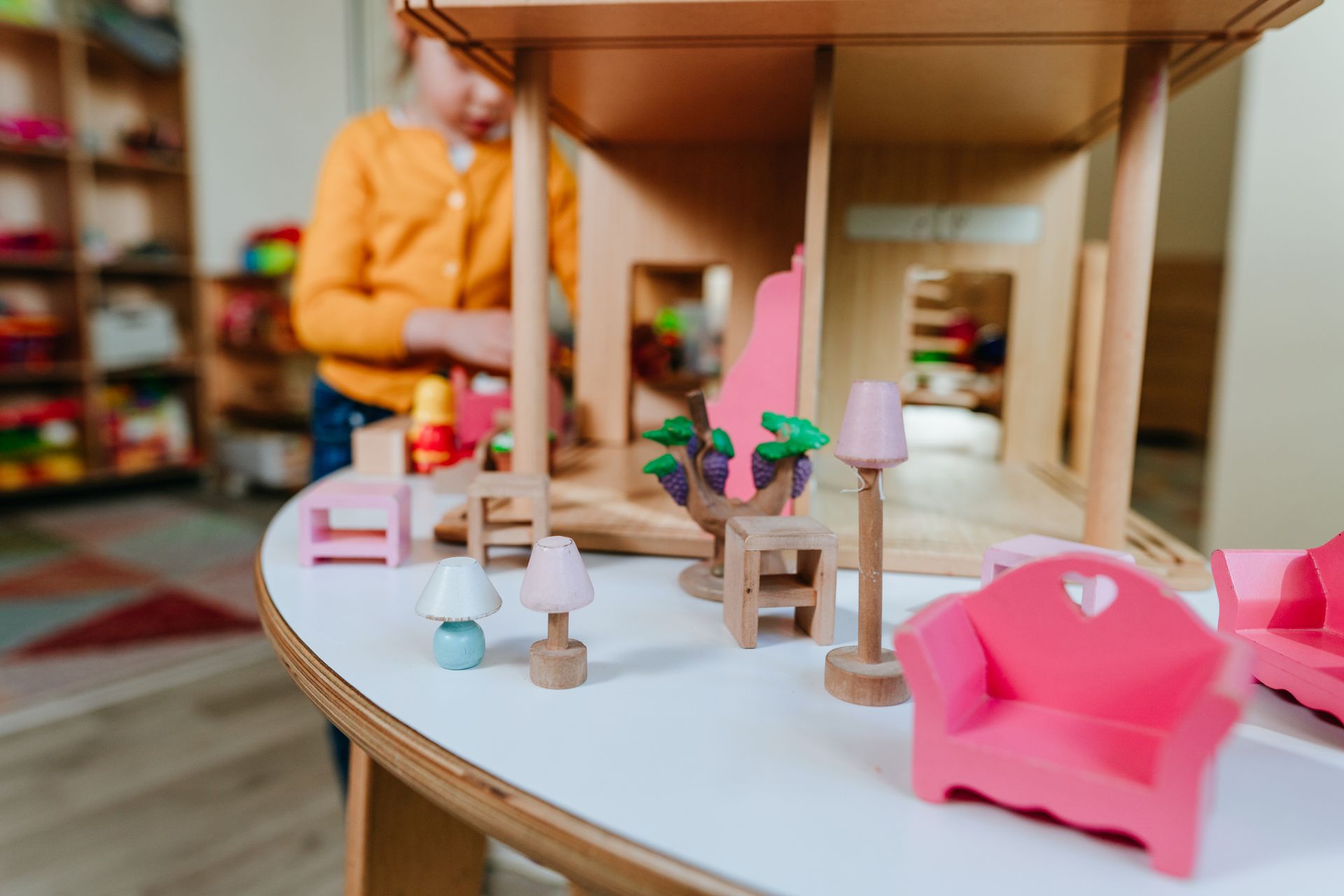











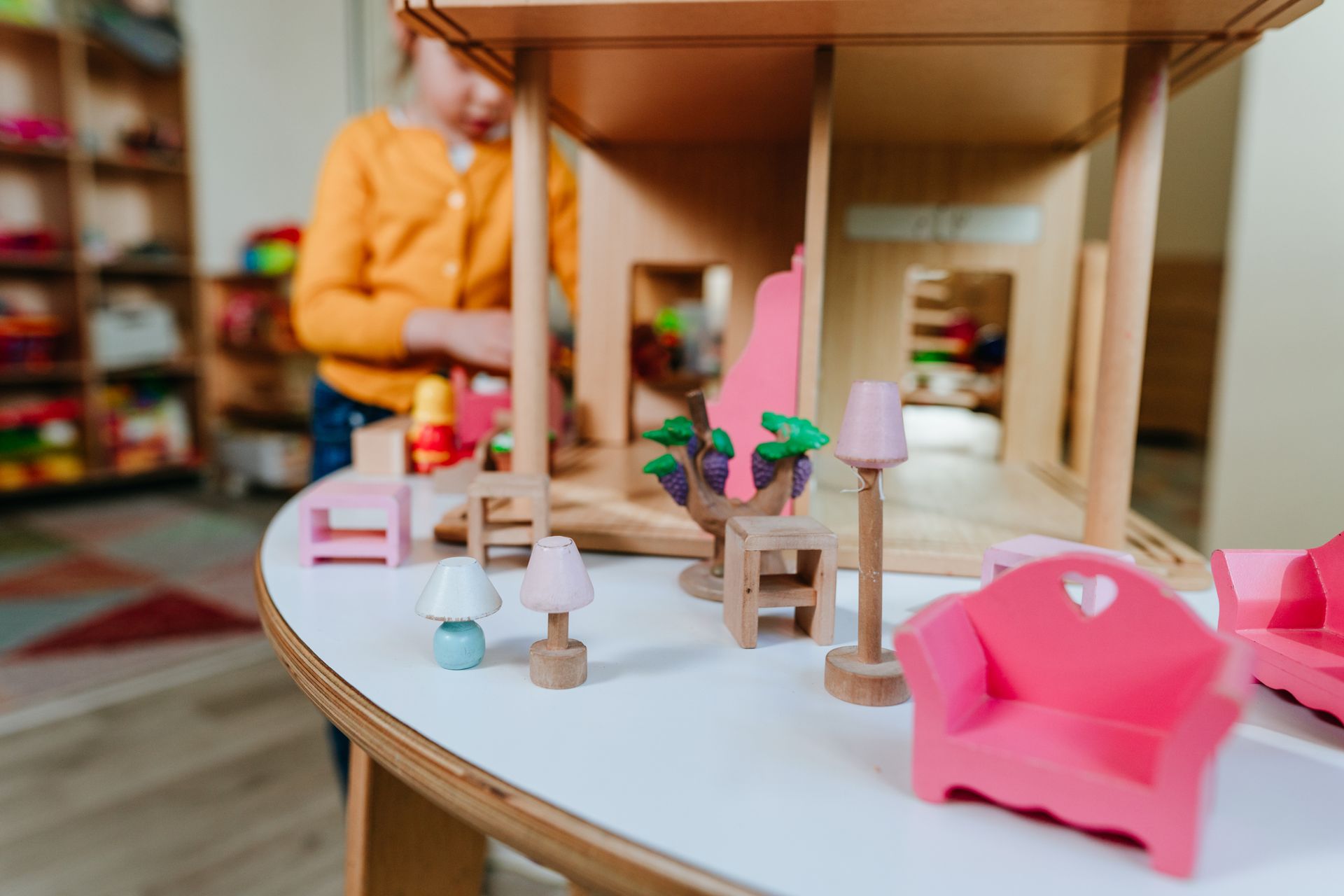








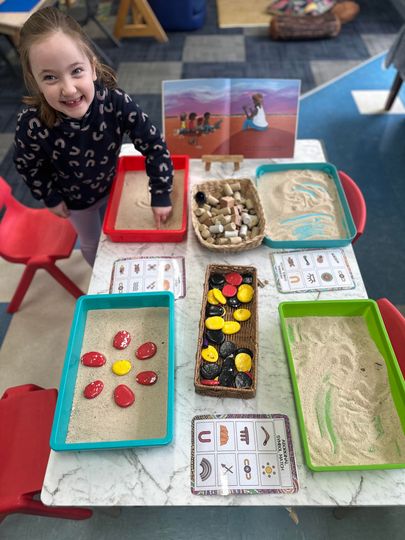
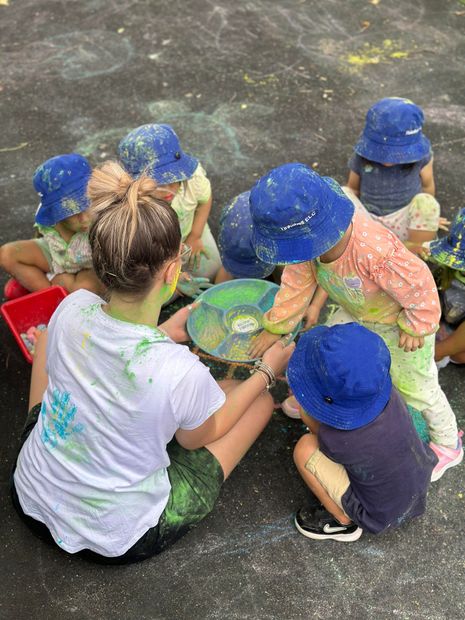
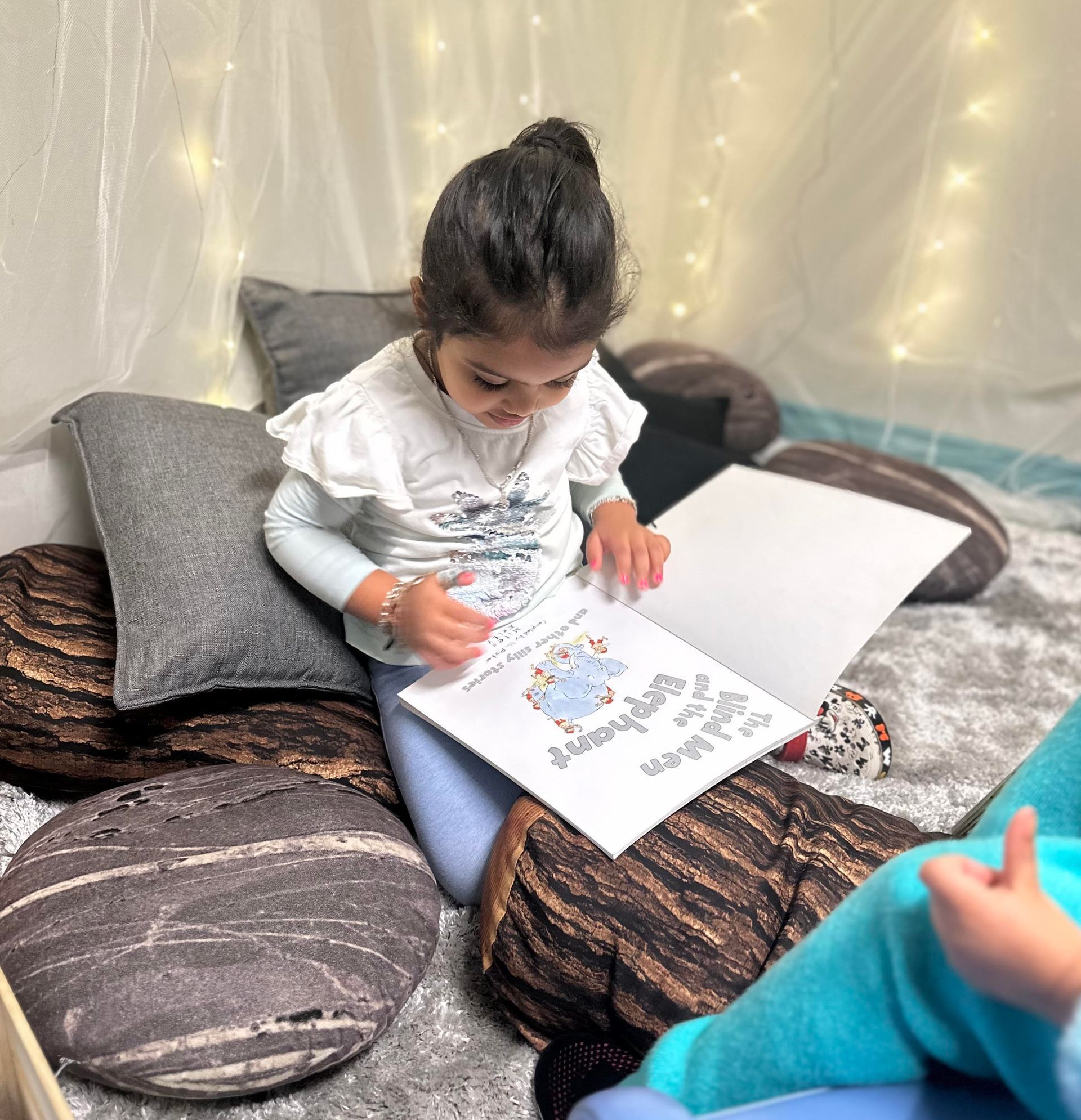


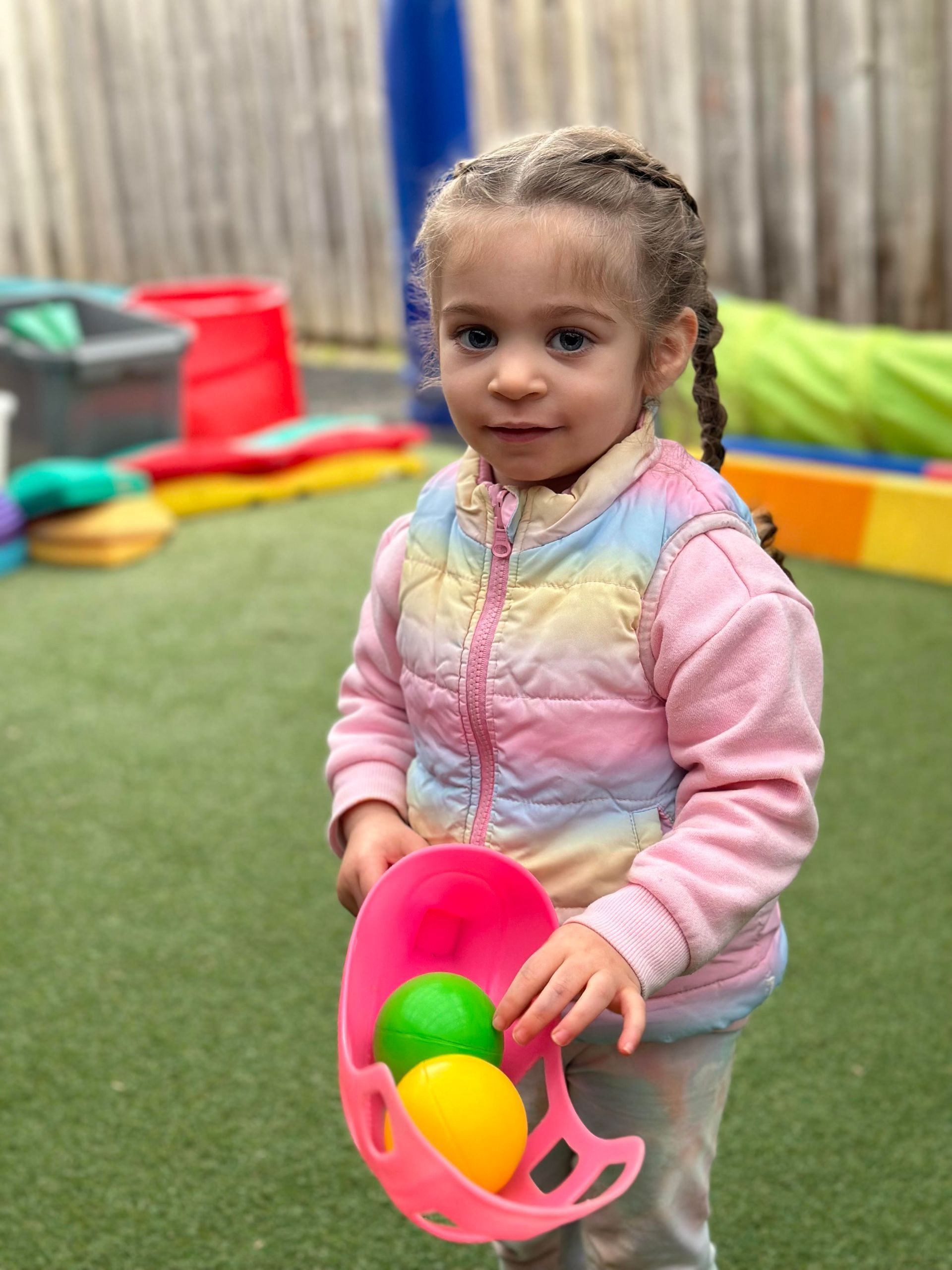
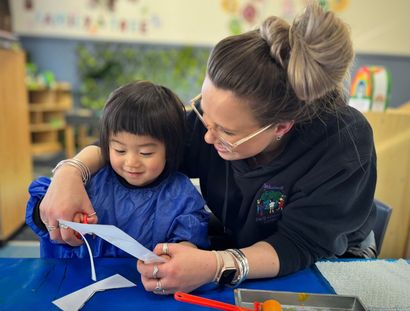
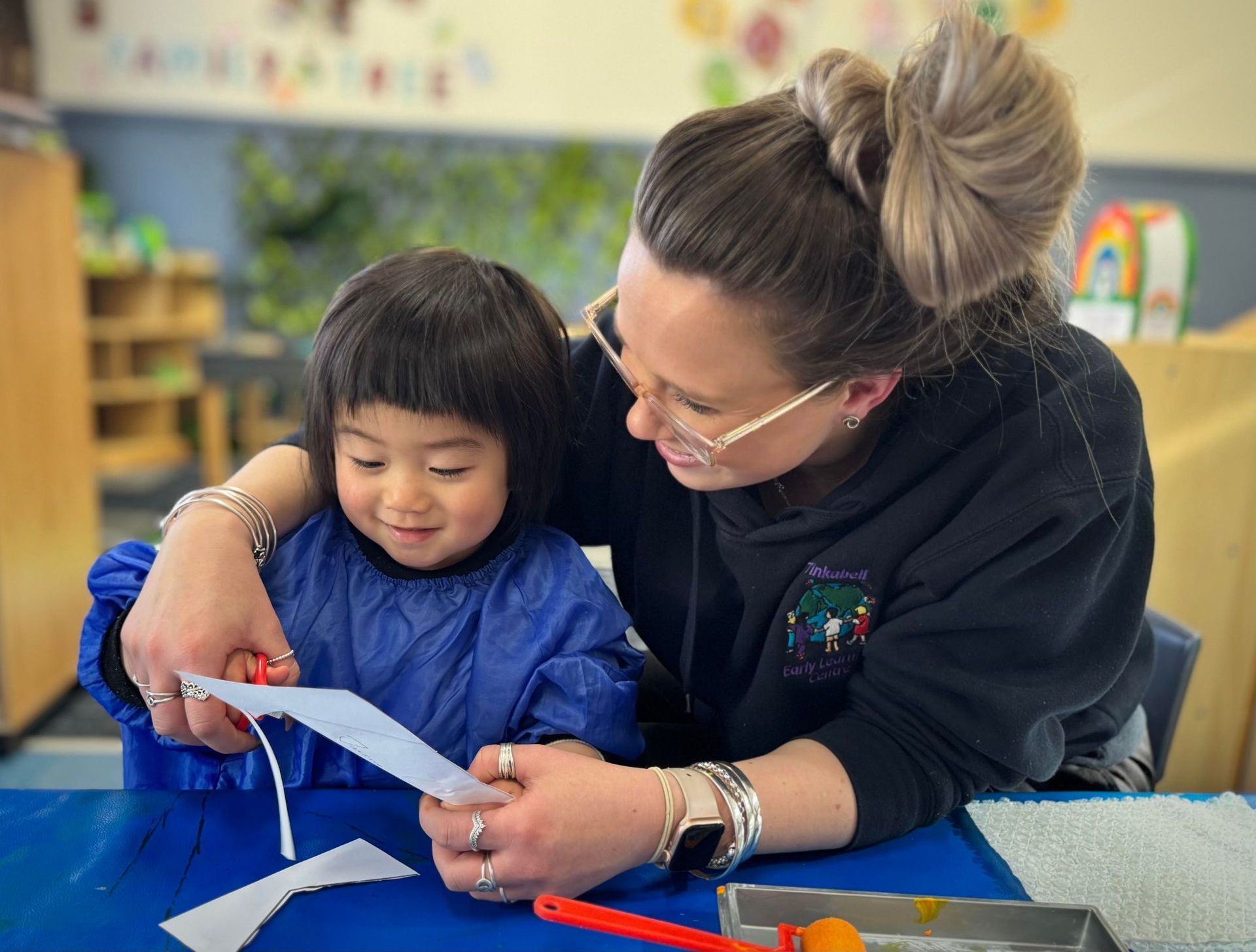
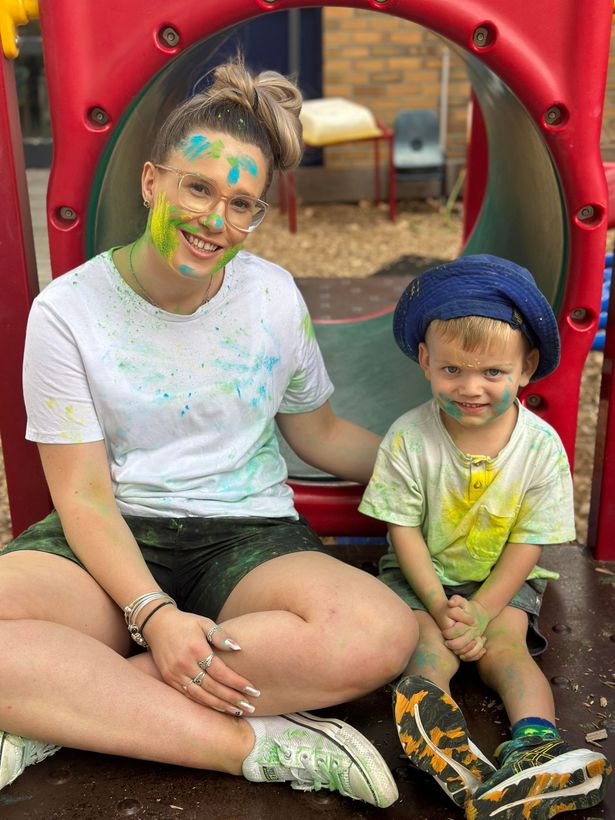
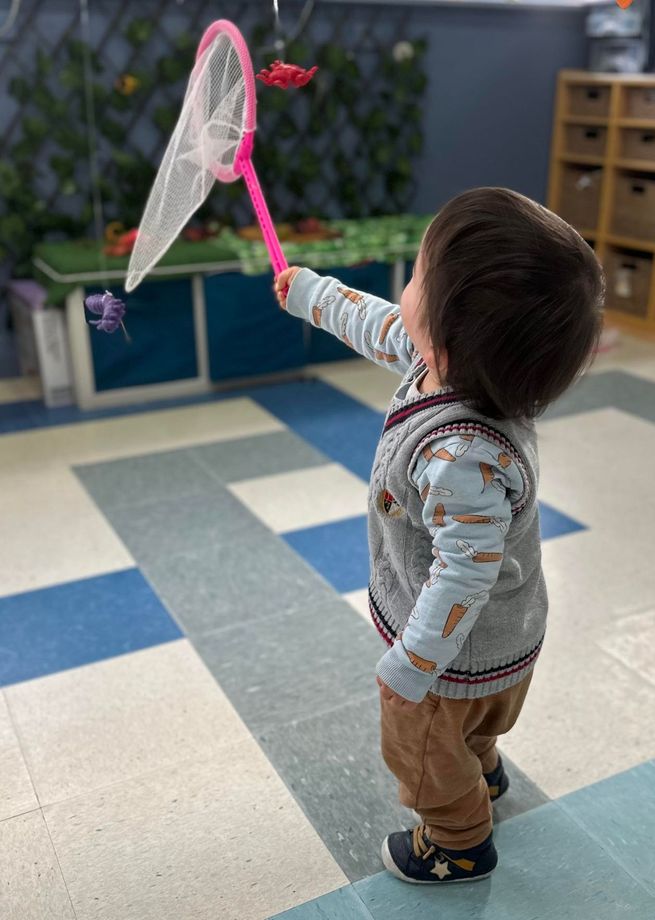
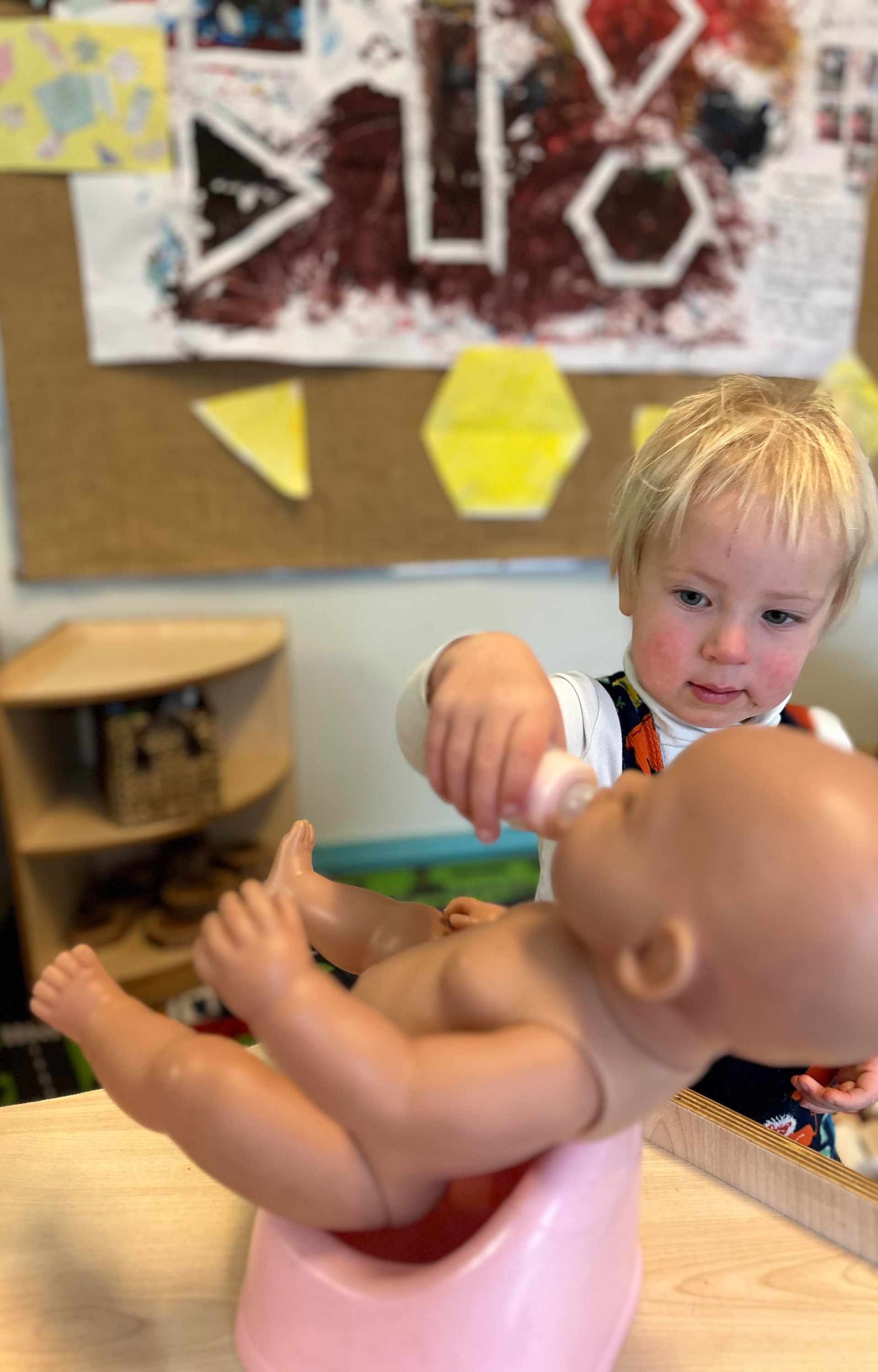
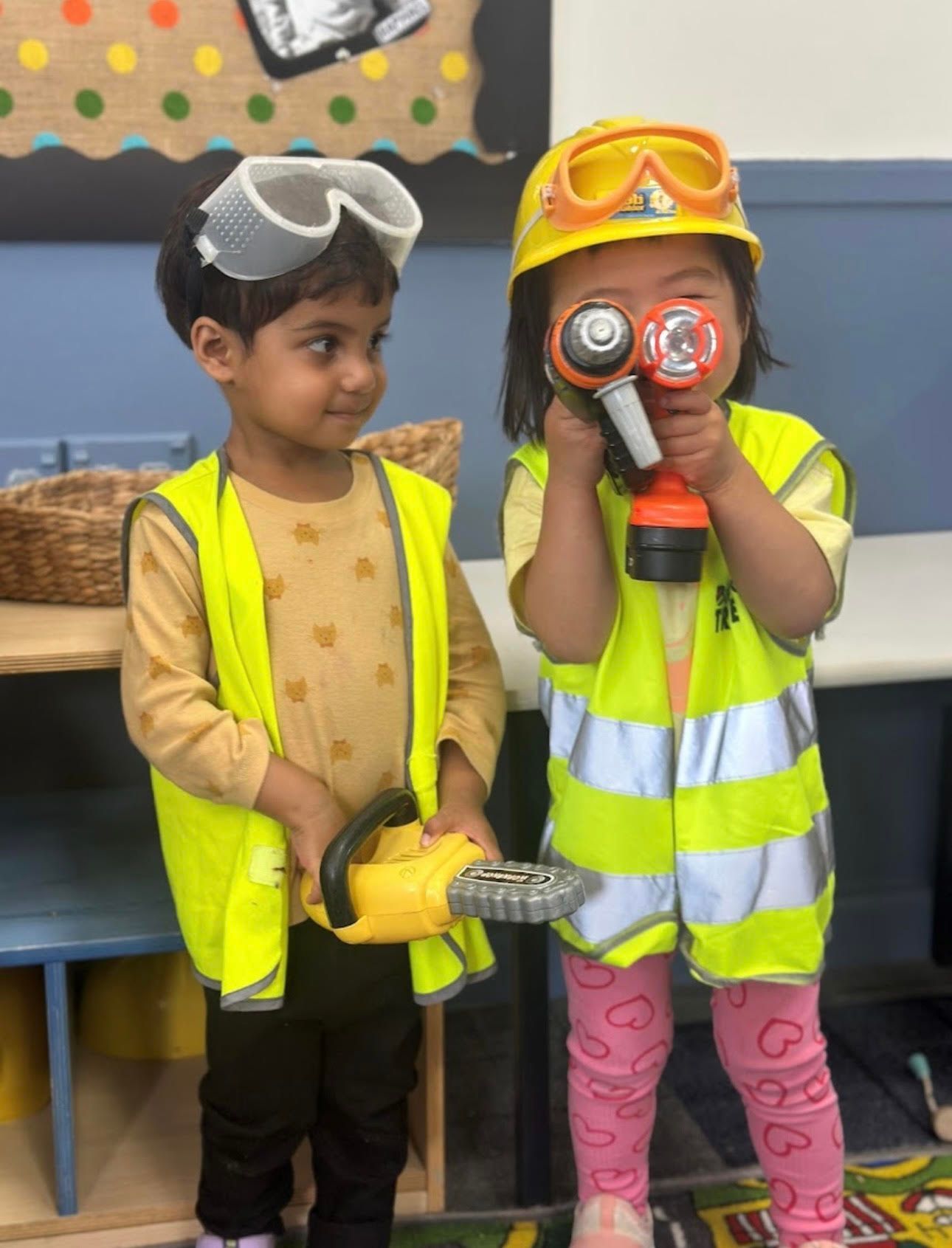
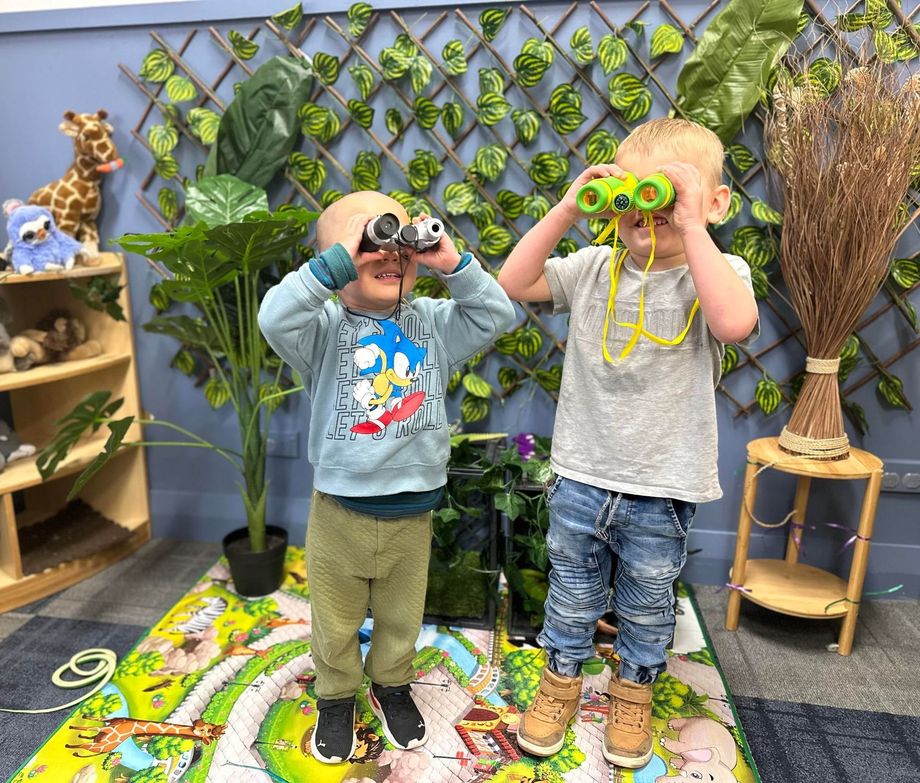
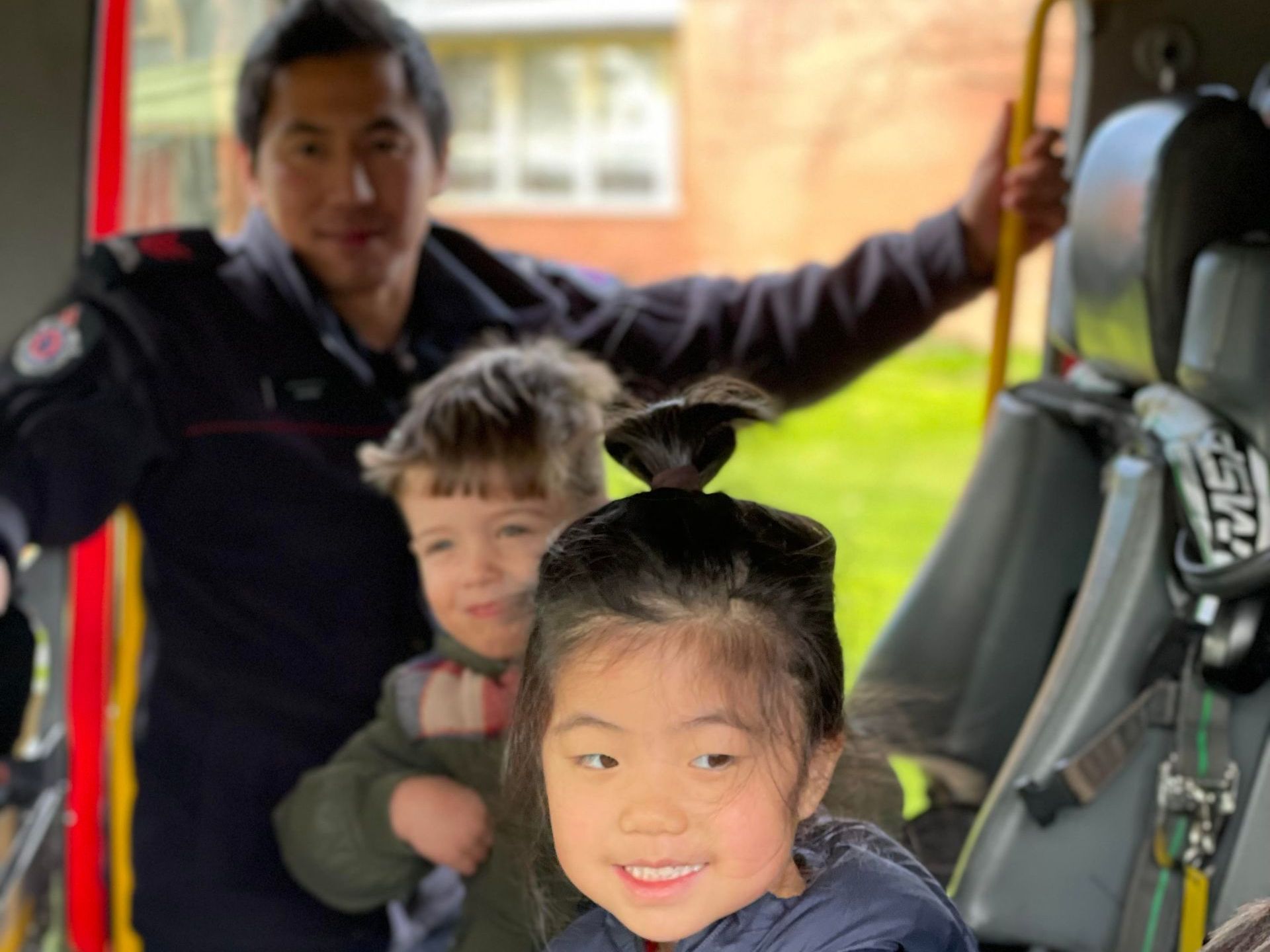
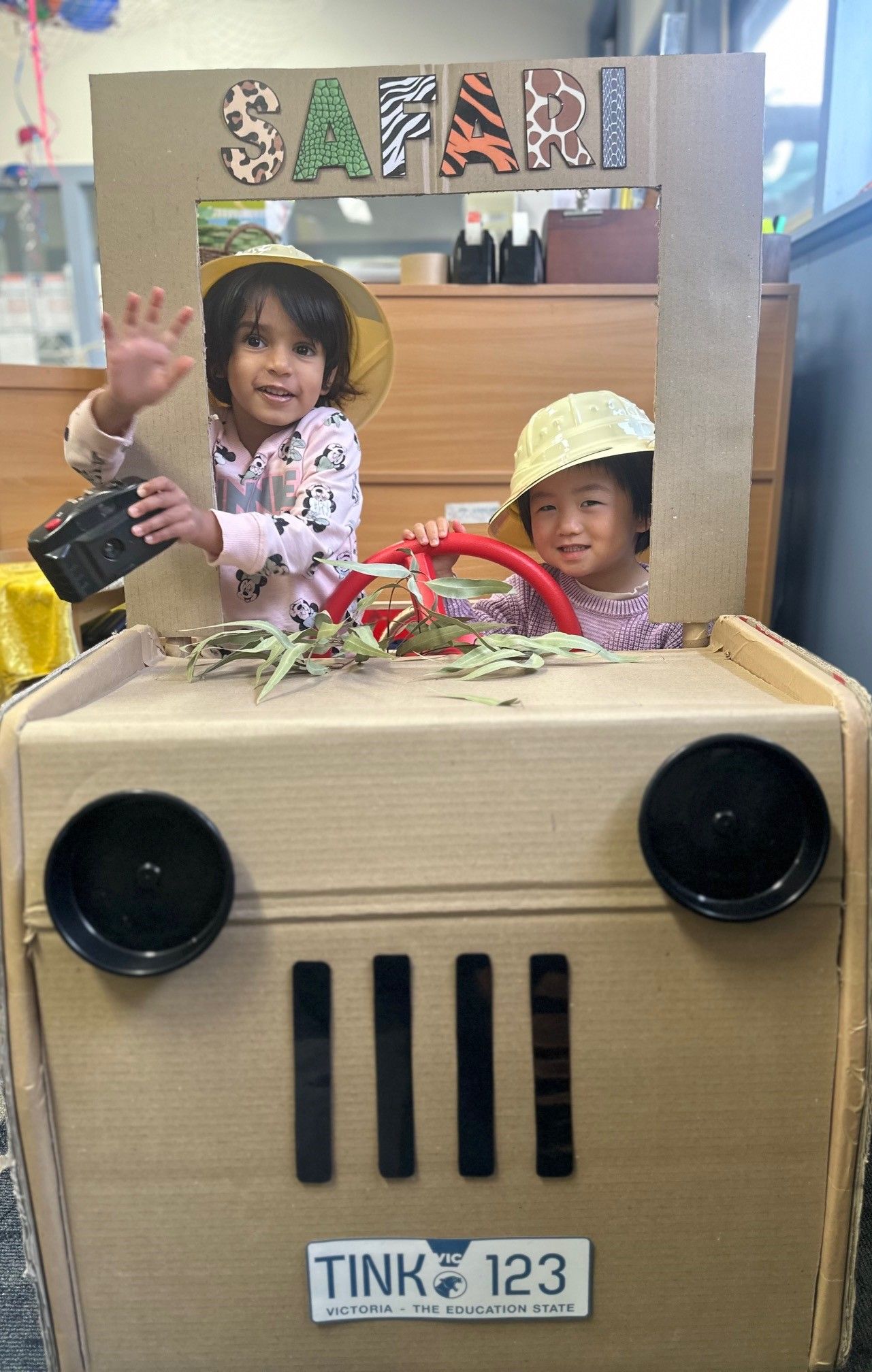

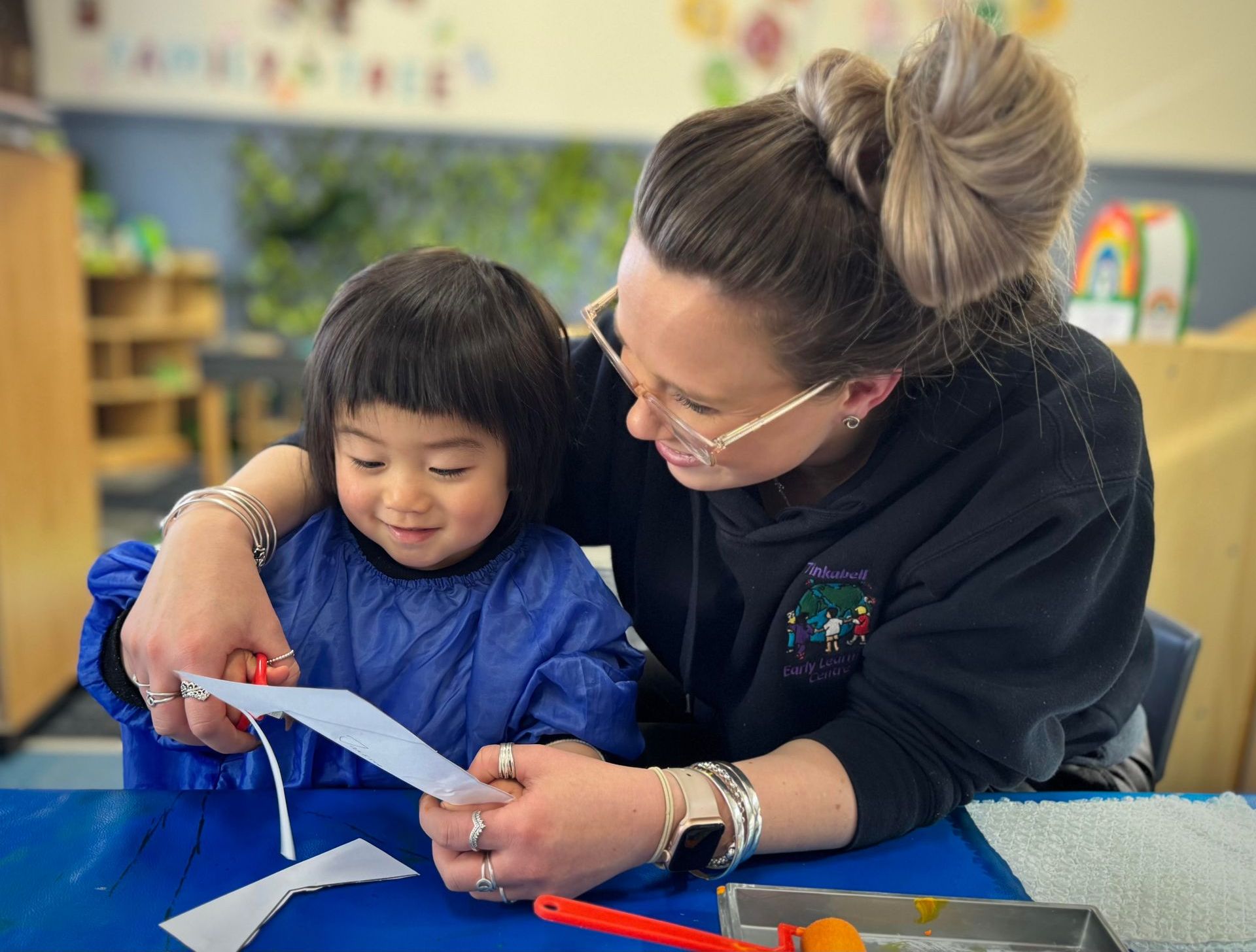
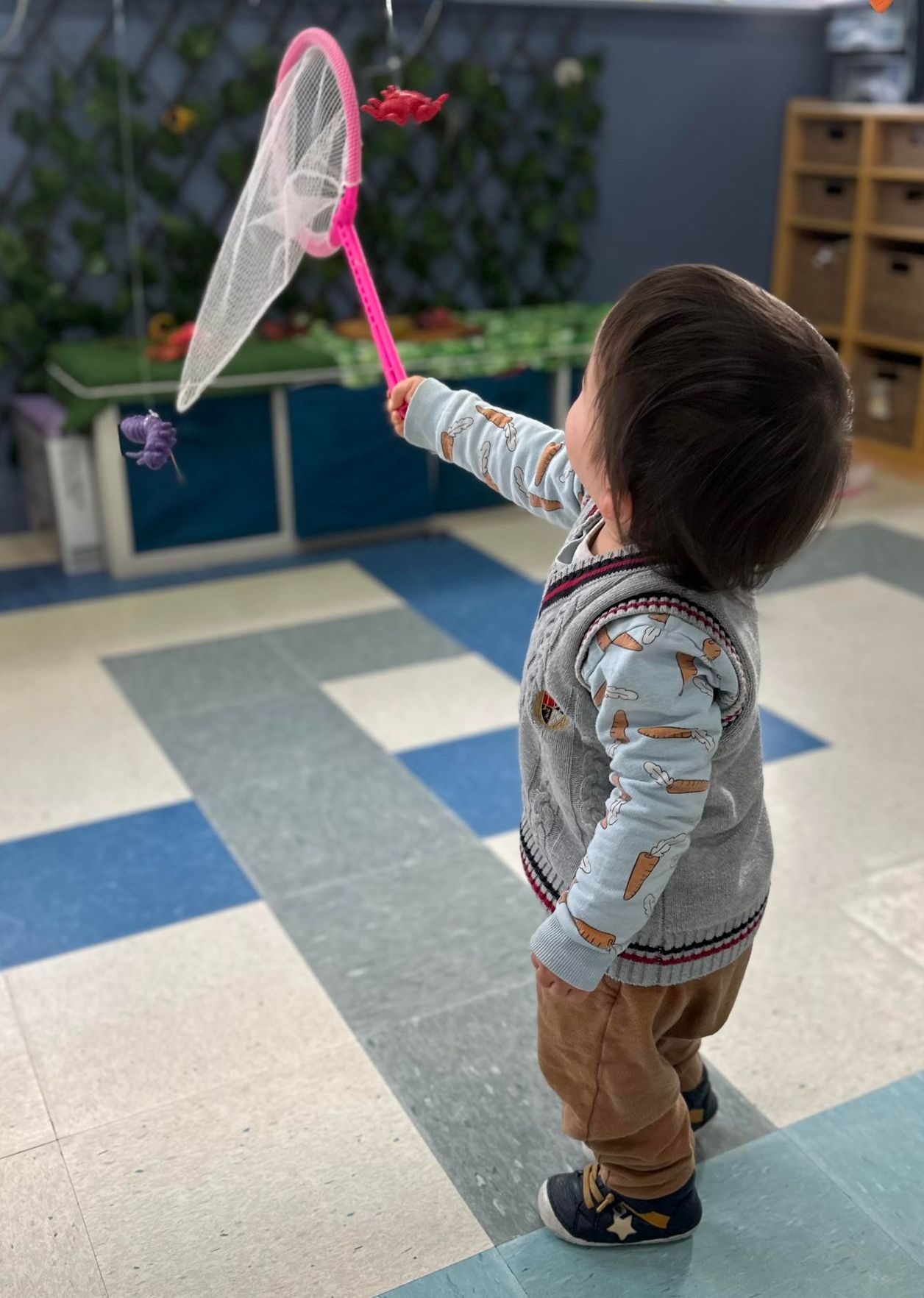
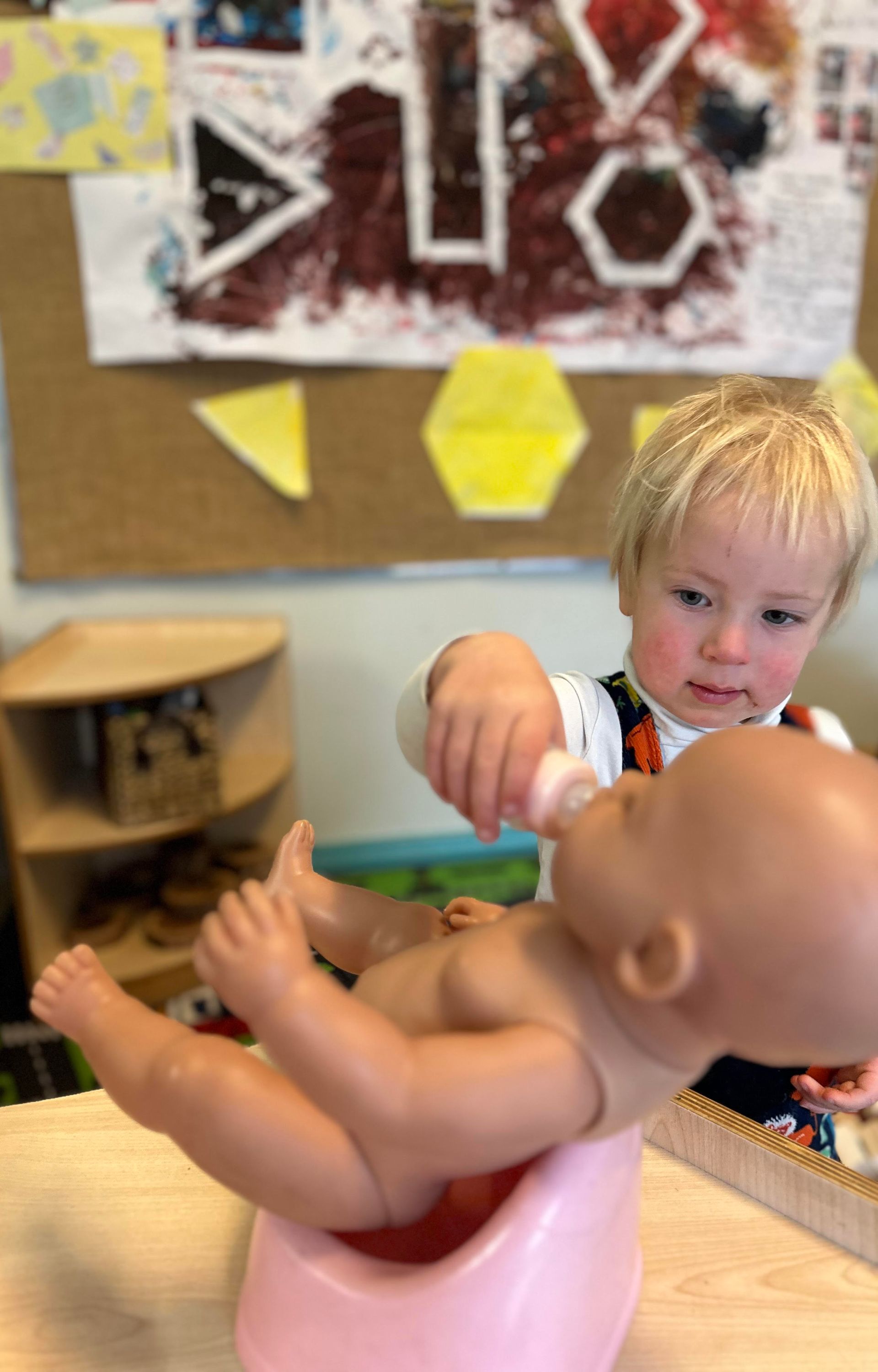
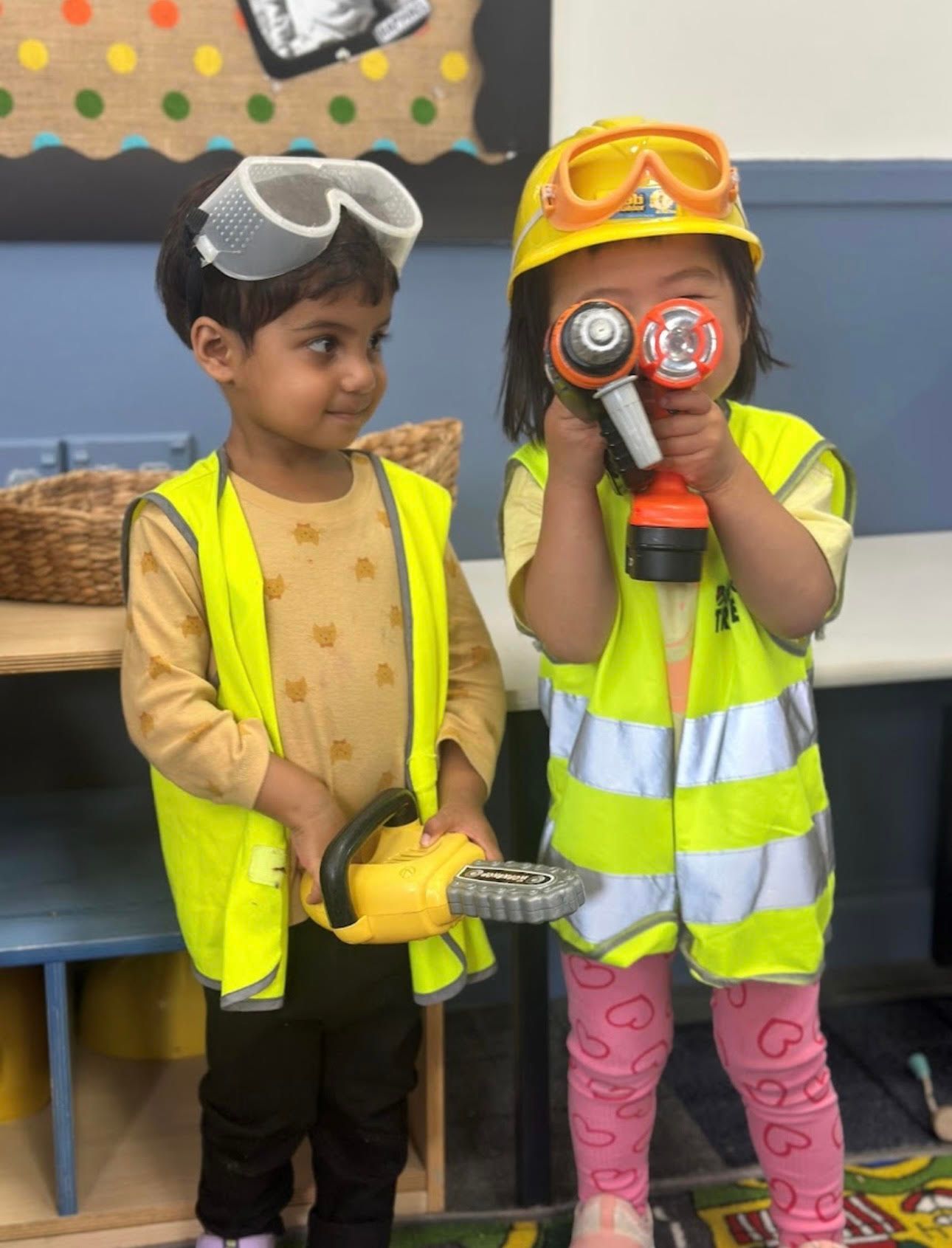
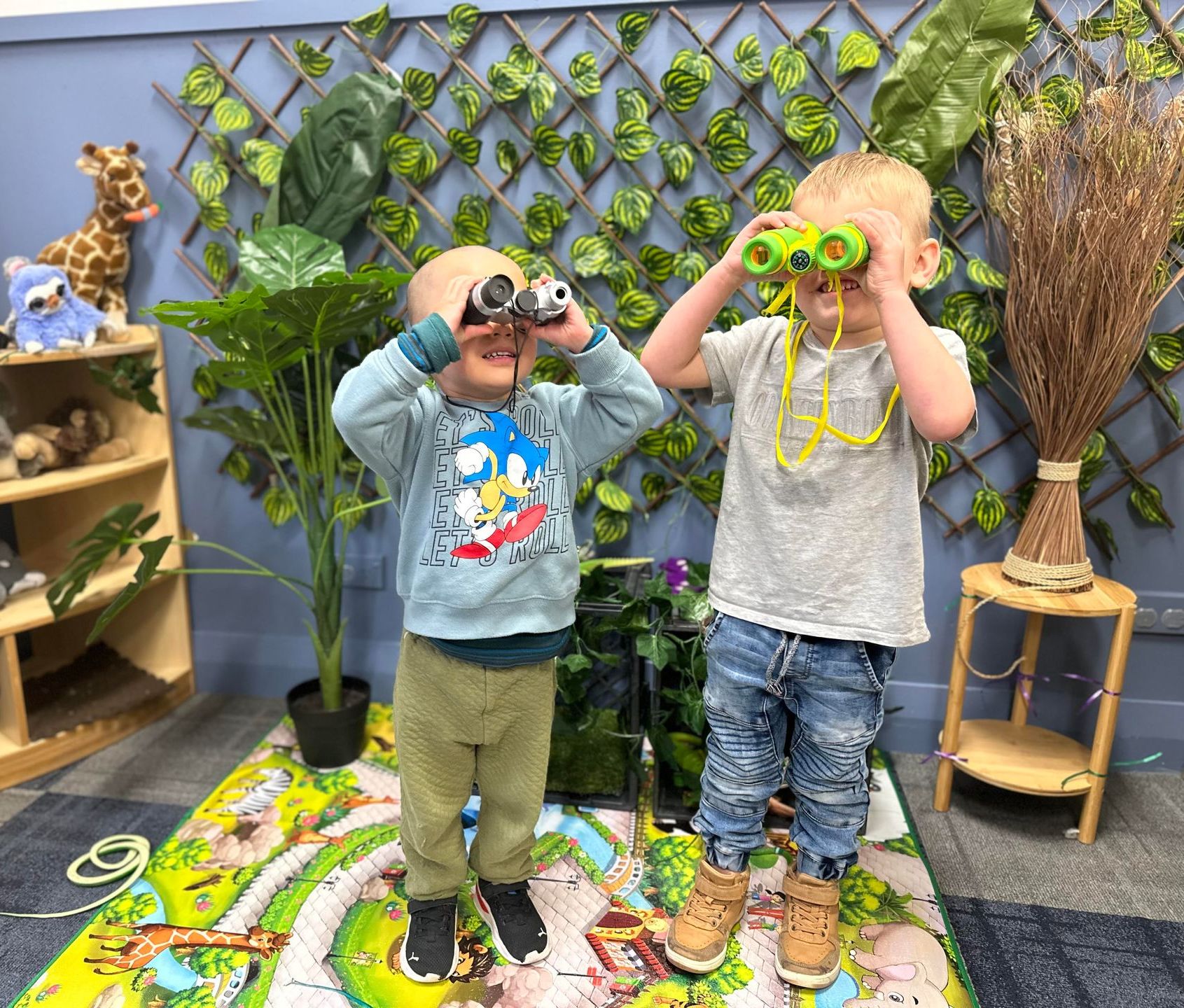
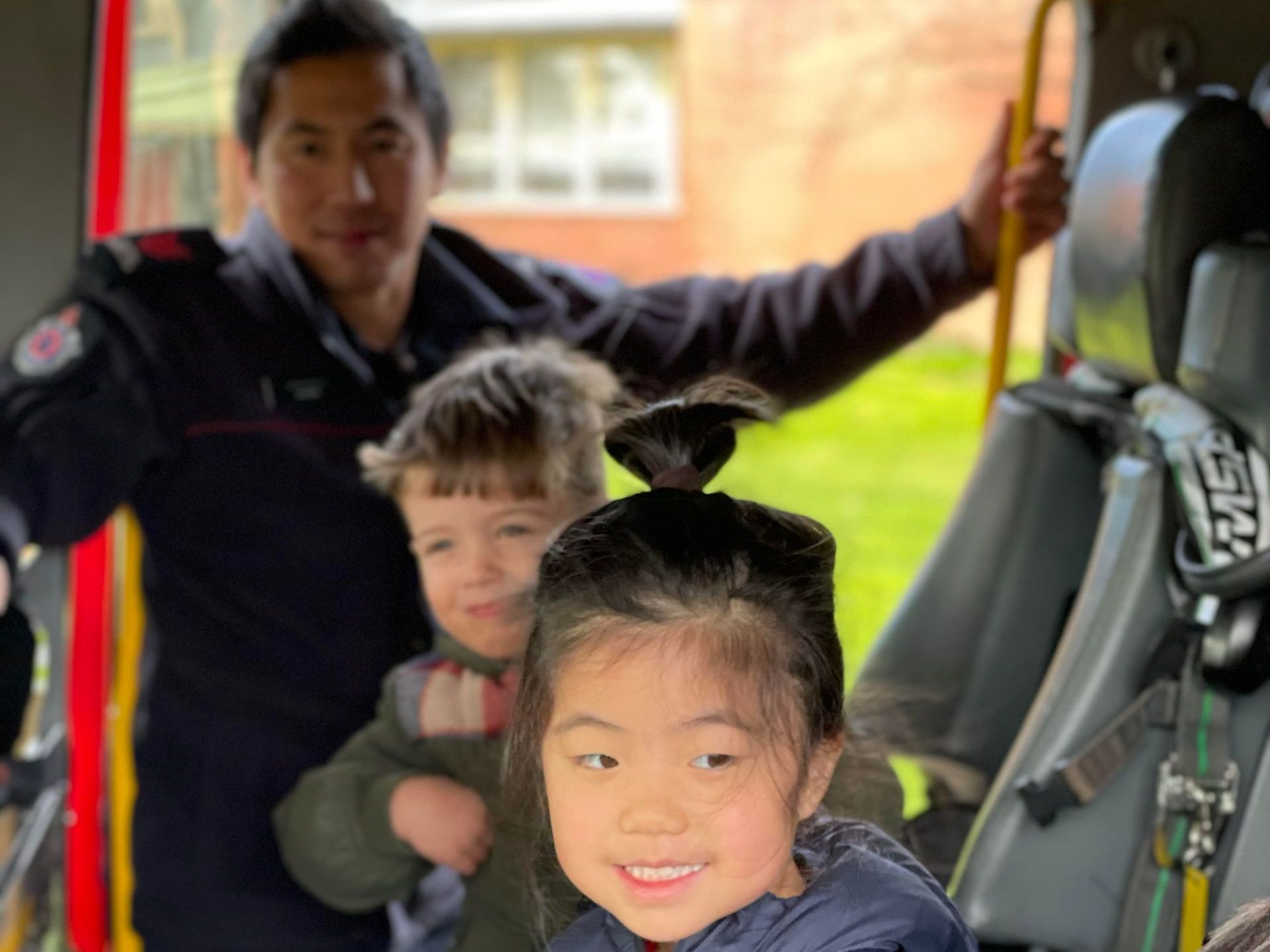



This archive preserves every unique visible text block and original link destination captured from this public page during the redesign audit. Promotional or time-sensitive statements are retained as source history and should be confirmed before an official launch.
A Parent's Guide to Choosing the Best Early Learning Centre
May 1, 2025
The Importance of Early Learning Centres
Are you a parent residing in Ringwood or its neighboring areas, searching for the ideal early learning centre for your precious little one? Making the decision to enroll your child in an early learning centre is a significant milestone. The Children's Early Learning Centre in Ringwood VIC understands the importance of providing a nurturing environment that fosters growth and development in young minds.
What to Look for in an Early Learning Centre
When considering an early learning centre for your child, there are several key factors to keep in mind. Firstly, it's essential to assess the curriculum and teaching approach of the centre. The Children's Early Learning Centre in Ringwood VIC prides itself on offering a well-rounded curriculum that focuses on both academic and social-emotional development.
The Role of Educators
Another crucial aspect to consider is the quality of educators at the early learning centre. Highly qualified and passionate educators play a vital role in shaping your child's early learning experiences. At the Children's Early Learning Centre in Ringwood VIC, our dedicated educators are committed to providing a safe and stimulating environment where children can thrive.
Creating a Supportive Environment
Beyond academics, it's important to choose an early learning centre that prioritizes creating a supportive and inclusive environment for children. Look for a centre that values diversity and encourages individuality. The Children's Early Learning Centre in Ringwood VIC promotes a culture of respect and acceptance, where every child is celebrated for their unique qualities.
Facilities and Resources
The physical environment of the early learning centre also plays a significant role in your child's overall experience. Consider factors such as outdoor play areas, classroom settings, and the availability of resources for various learning activities. The Children's Early Learning Centre in Ringwood VIC boasts state-of-the-art facilities that are designed to stimulate curiosity and creativity in young learners.
Making the Right Choice
Choosing the best early learning centre for your child is a decision that requires careful consideration. By prioritizing factors such as curriculum, educator quality, supportive environment, and facilities, you can ensure that your child receives a well-rounded early education experience.
The Children's Early Learning Centre in Ringwood VIC offers a holistic approach to early learning that caters to the individual needs of each child. Contact our early Learning Centres in Melbourne today to enrol your child
Newer Post >
Preparing Your Child for Our Early Learning Centre
March 11, 2026
Discover how Childcare Martinov Enterprises lays school foundations. Call 03 9874 6401 for expert guidance in our early learning centre serving Ringwood, VIC.
Flexible Early Learning Centre Serving Ringwood, VIC
October 23, 2025
Explore professional Early Learning Centre Serving Ringwood, VIC at Childcare Martinov Enterprises. Contact us today at 03 9842 9777 to schedule a visit.
1 (current)
https://www.childcaremartinov.com.au/contact/blog/flexible-early-learning-centre-ringwood-vichttps://api.whatsapp.com/send?text=I wanted to share this great website with you https%3A%2F%2Fwww.childcaremartinov.com.au%2Fa-parent-s-guide-to-choosing-the-best-early-learning-centremailto:?subject=I wanted to share this great website with you&body=https%3A%2F%2Fwww.childcaremartinov.com.au%2Fa-parent-s-guide-to-choosing-the-best-early-learning-centre/blog/preparing-child-early-learning-centre/blog/preparing-child-early-learning-centre/blog/flexible-early-learning-centre-ringwood-vic/blog/flexible-early-learning-centre-ringwood-vic